Artemisinin#63968-64-9
Artemisinin is considered one of the most effective drugs to treat malaria. It is a sesquiterpene lactone compound containing peroxide bridge, which is extracted from the traditional Chinese medicinal herb Artemisia annua.
This product has the characteristics of high efficiency, fast effect, protozoacidal activity and low toxicity. At the same time, it also has traditional therapeutic effects such as heat-clearing and summer-heat-relieving.
At present, artemisinin-based combination therapy (ACT) has reached an efficiency of more than 90% in the global treatment of malaria, and has also been widely used in clinical practice in many countries. Artemisinin has a strong and rapid killing effect on erythrocytic stage of Plasmodium, which can quickly control clinical symptoms and acute attacks.
In addition, it has good effects in many aspects, including chicken coccidiosis, swine eperythrozoonosis, toxoplasmosis, yin deficiency fever, damp-heat jaundice, vivax malaria, malignant malaria, cerebral malaria and chloroquine-resistant malaria.
Chemical Properties
| Melting point | 156-157 °C (lit.) |
| alpha | 76 º (c=0.5,MeOH) |
| Boiling point | 344.94°C (rough estimate) |
| density | 1.0984 (rough estimate) |
| refractive index | 75 ° (C=0.5, MeOH) |
| storage temp. | -20°C |
| solubility | Soluble to 100mM in DMSO and to 75mM in ethanol |
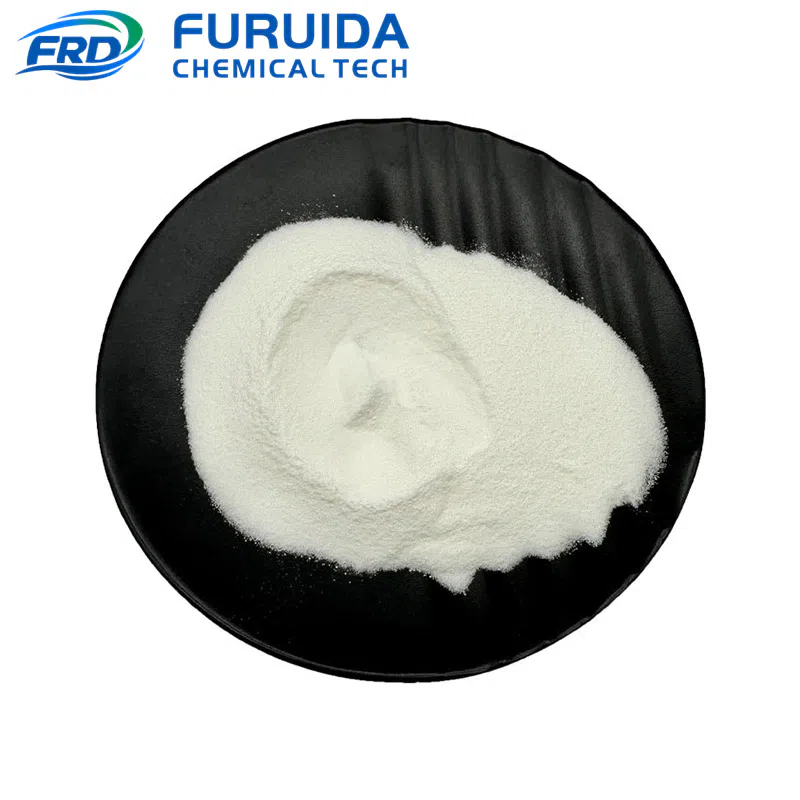
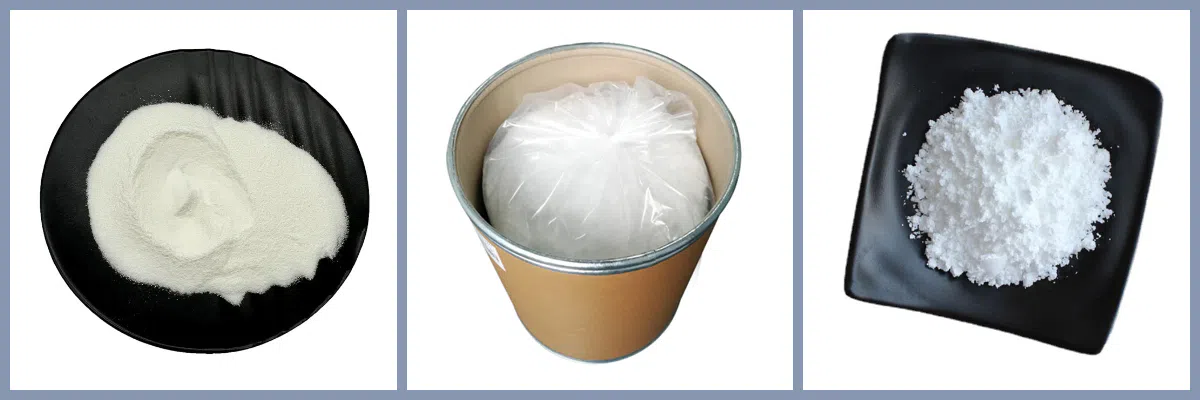
| form | White to off-white crystalline solid. |
| color | Needles |
| optical activity | [α]20/D +76°, c = 0.5 in methanol |
| Merck | 14817 |
| Stability: | Stable. Combustible. Incompatible with strong oxidizing agents, acids, acid chlorides, acid anhydrides. May absorb, and react with, carbon dioxide from the air. |
| InChI | InChI=1S/C15H22O5/c1-8-4-5-11-9(2)12(16)17-13-15(11)10(8)6-7-14(3,18-13)19-20-15/h8-11,13H,4-7H2,1-3H3/t8-,9-,10+,11+,13-,14-,15-/m1/s1 |
| InChIKey | BLUAFEHZUWYNDE-NNWCWBAJSA-N |
| SMILES | O1[C@]23[C@@]4([H])O[C@@](C)(CC[C@@]2([H])[C@H](C)CC[C@@]3([H])[C@@H](C)C(=O)O4)O1 |
| LogP | 2.9 |
Safety Information
| Safety Statements | 22-24/25 |
| WGK Germany | 2 |
| RTECS | KD4170000 |
| HS Code | 29322985 |
| Toxicity | LD50 in mice (mg/kg): 5105 orally; 2800 i.m.; 1558 i.p. (Koch); LD50 in mice, rats (mg/kg): 4228, 5576 orally; 3840, 2571 i.m. (China Cooperative Research Group on Qinghaosu) |

Product Applications
Artemisinin is extracted from Artemisia annua and is often used as an antimalarial agent. Clinical application has proved that artemisinin and its derivatives have a good effect on Plasmodium infection and severe falciparum malaria, especially Artemether, which has a stronger killing effect on the asexual stages of Plasmodium than other artemisinin drugs.
It has the advantages of high efficiency, fast onset, low toxicity and no cross-resistance with chloroquine. In addition to conventional treatment, it is also suitable for the emergency treatment of malaria. This product can be used for various forms of malaria, including falciparum malaria, vivax malaria, chloroquine-resistant malaria, cerebral malaria and severe high-risk cases.
Among its derivatives, dihydroartemisinin and its tablet formulations are more worthy of attention. It is reported that their antimalarial activity is 10 times higher than that of artemisinin, and the recurrence rate is only 1.95%. Therefore, it was rated as one of the top ten scientific and technological achievements of China's chemical industry in 1992.
In addition to treating malaria, artemisinin and its derivatives also have good therapeutic potential for other diseases. Animal experiments have shown that:
The deworming rate in the treatment of Clonorchis sinensis in mice has reached 100%.
The deworming effect on animal schistosomiasis is 33.8% to 99.3%.
In addition, the total effective rate of treating discoid lupus erythematosus has reached 90%, and the effect of treating dengue fever has also been proven to be significantly better than that of some conventional Western medicines.
Immunological research also shows that artemisinin can significantly improve the lymphocyte transformation rates and enhance antibody-mediated immune function. No toxic side effects on the heart, liver or kidney were found, and no obvious adverse reactions were observed in clinical practice.