

Lead:
Tianeptine sodium salt (CAS#30123-17-2), classified as an opioid-related substance, has drawn increasing attention from regulators, researchers, and clinicians alike. While it serves as a critical analytical reference standard for forensic and laboratory research, its misuse potential and serious drug interactions have raised significant safety concerns across the pharmaceutical and chemical industries.
1. What Is Tianeptine Sodium Salt?
Tianeptine sodium salt is an analytical reference standard classified within opioid-related substances. Tianeptine has been subject to misuse and has been linked to cases of overdose and fatalities. Pharmaceutical preparations containing tianeptine have been developed and used for the treatment of depression.
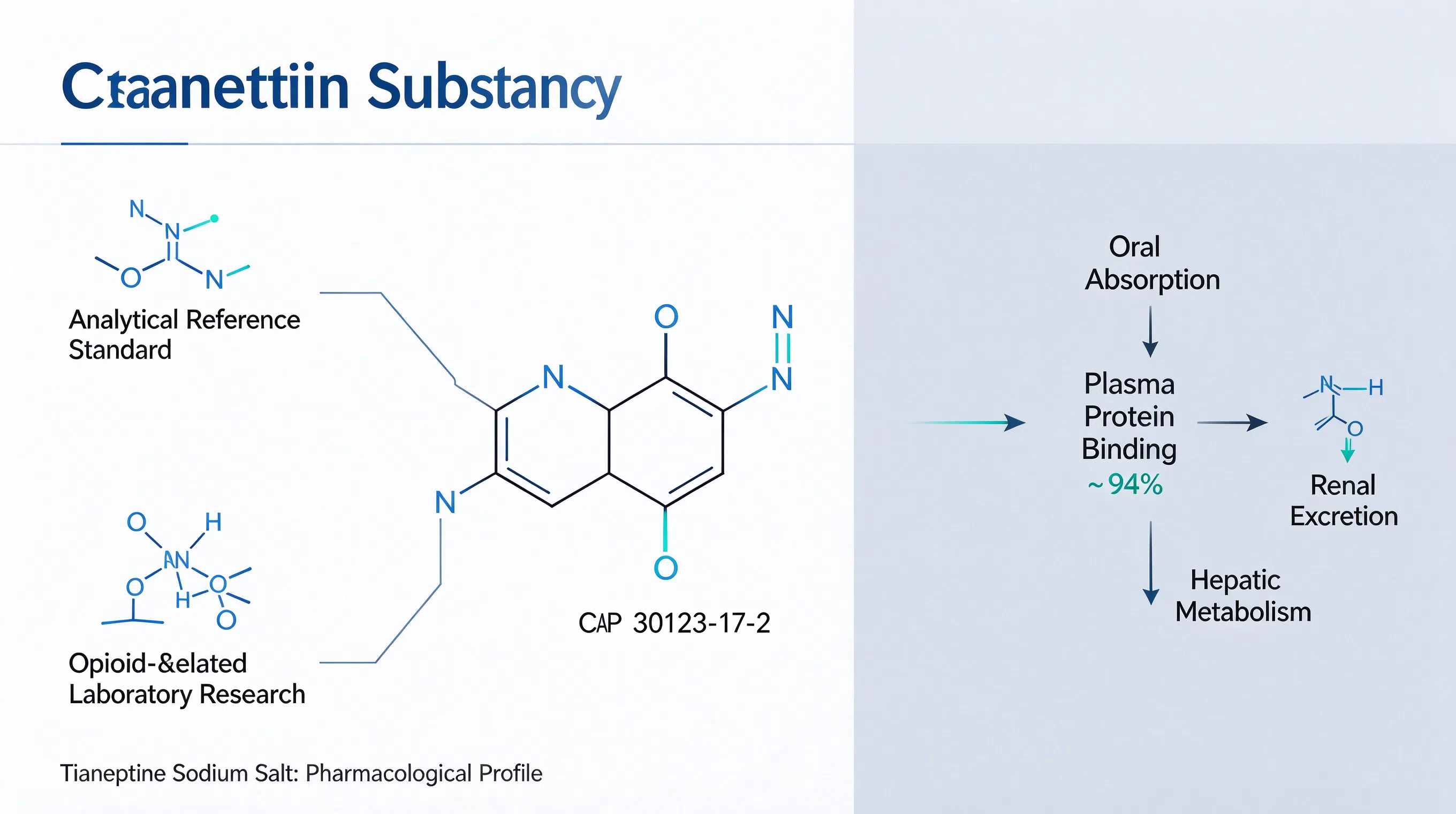
It is primarily intended for analytical and forensic research applications and can also serve as a general laboratory research tool.
2. Mechanism of Action and Pharmacokinetics
Tianeptine sodium is a tricyclic antidepressant with a unique mechanism of action that differs from conventional tricyclic antidepressants. It promotes the reuptake of serotonin (5-HT) in the synaptic cleft, which may enhance serotonergic neurotransmission. Unlike many traditional antidepressants, it shows no significant affinity for cholinergic or adrenergic receptors.
After oral administration, tianeptine sodium is rapidly and completely absorbed through the gastrointestinal tract. It is quickly distributed throughout the body, with a plasma protein binding rate (PPB) of approximately 94%. The compound undergoes complete hepatic metabolism through β-oxidation and N-demethylation pathways. Its terminal elimination half-life (T1/2) is relatively short, at around 2.5 hours. Only a small proportion of the unchanged drug (approximately 8%) is excreted through the kidneys, while the majority is eliminated in the form of metabolites via urine. In patients with renal impairment, the elimination half-life may be extended by approximately one hour.
3. Drug Interactions and Safety Warnings
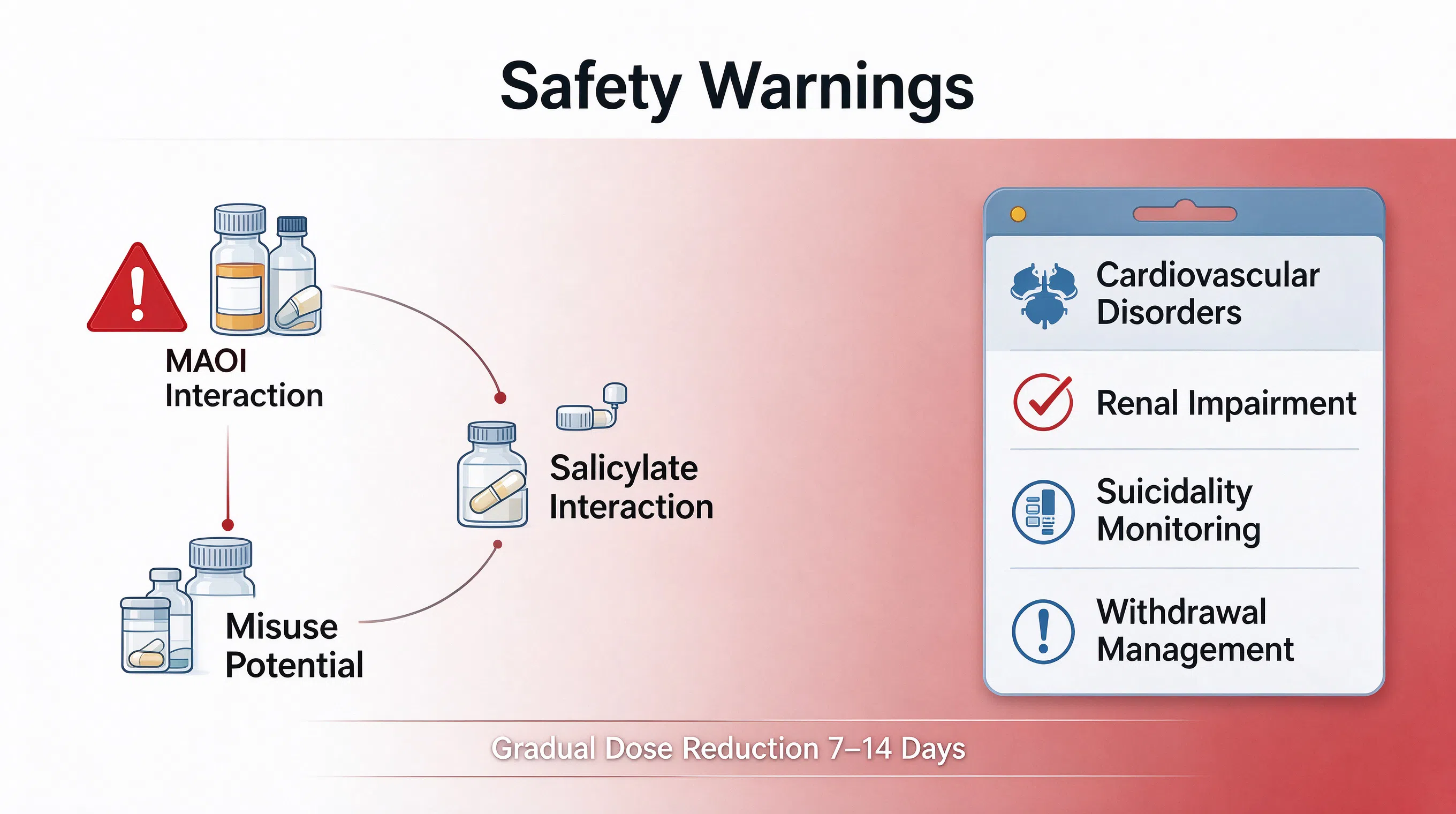
The combination of tianeptine sodium with monoamine oxidase inhibitors (MAOIs) may increase the risk of serious cardiovascular reactions, including hypertensive episodes, high fever, convulsions, and potentially fatal outcomes. Therefore, MAO inhibitors should be discontinued at least two weeks before initiating tianeptine treatment. After stopping tianeptine, MAO inhibitors may generally be considered after a 24-hour interval.
Salicylates may reduce the plasma protein binding rate of tianeptine sodium; therefore, dosage adjustments may be required when used in combination.
4. Precautions When Using Tianeptine Sodium Salt
Patients with cardiovascular disorders, gastrointestinal conditions, or severe renal impairment should use tianeptine sodium with caution.
Patients with depression who have a genetic or personal tendency toward suicidal behavior should be closely monitored, particularly during the early stages of treatment.
If general anesthesia is required, the anesthesiologist should be informed that the patient is taking tianeptine sodium. The medication should generally be discontinued 24–48 hours before surgery. In emergency surgical situations, a withdrawal period may not be necessary, but careful preoperative monitoring is recommended.
Similar to other medications used for psychiatric conditions, treatment discontinuation should be managed gradually, with the dosage reduced over a period of at least 7–14 days to minimize withdrawal-related effects.
Some patients may experience reduced alertness while taking this medication. Individuals who drive vehicles or operate machinery should be aware of the potential risk of drowsiness.
5. Special Populations and Pregnancy
Before beginning treatment with tianeptine sodium, monoamine oxidase inhibitor medications should be discontinued for at least two weeks. For patients switching from tianeptine sodium to MAOI therapy, a 24-hour discontinuation period is generally required.
Animal studies indicate that tianeptine does not appear to negatively affect reproductive function. Only a small amount of the drug crosses the placenta, and no significant fetal accumulation has been observed. However, due to the lack of sufficient clinical data in humans, use during pregnancy should be avoided unless medically necessary.
Tricyclic antidepressants may be secreted into breast milk; therefore, breastfeeding is generally not recommended during treatment with tianeptine sodium.
Conclusion
Tianeptine sodium salt remains a valuable analytical reference standard for forensic and laboratory research, with a well-documented pharmacological profile. However, its classification as an opioid-related substance, its potential for misuse, and its serious interactions with MAOIs and salicylates demand strict adherence to safety protocols. Researchers, clinicians, and regulators must remain vigilant as global scrutiny of psychoactive substances continues to intensify.


