

Global Market Context: Firm Prices, Tightening Supply, and a Procurement Landscape That Rewards Discipline
For B2B buyers, the implication is straightforward: paraffin wax is not a commodity where the lowest quoted price per ton reliably translates into the lowest total cost. The specification attached to that price—specifically oil content, melting point, and batch consistency—determines whether the wax performs in your candle mold, packaging line, or tire compound. A semi-refined wax quoted at a discount can generate scrap rates, rework, and customer complaints that erase the apparent savings within a single production run.
Technical Grading: What Oil Content Actually Tells You About Performance
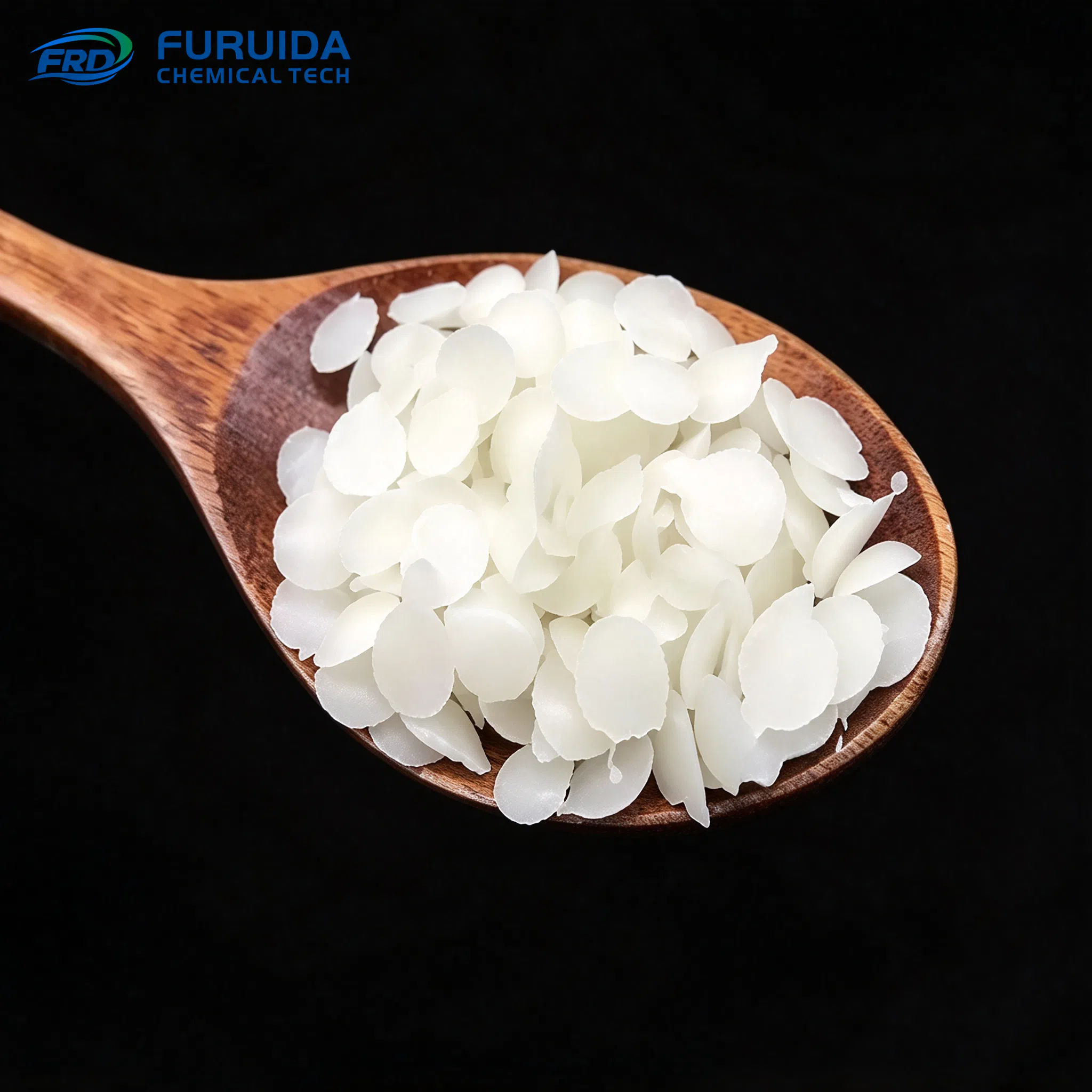
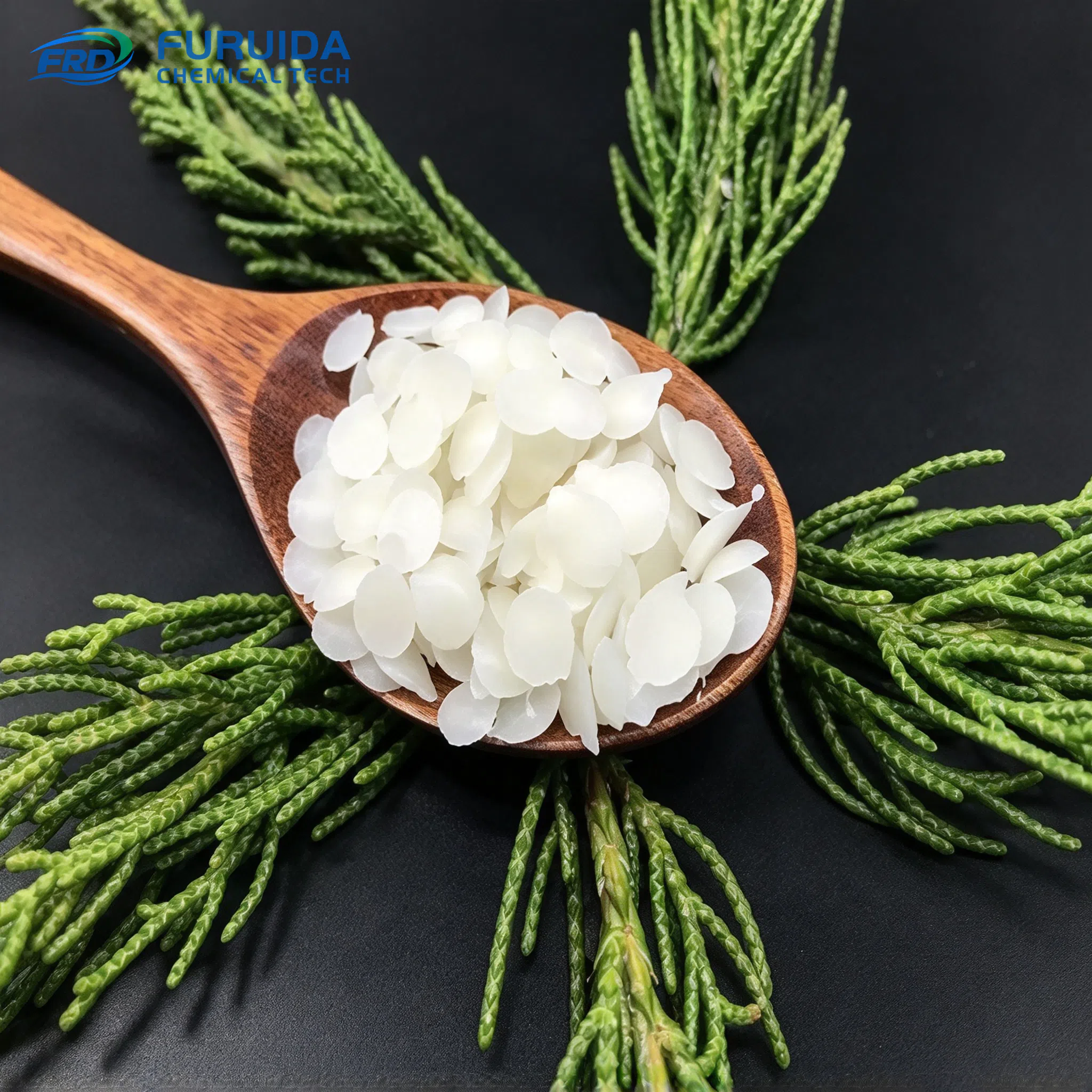
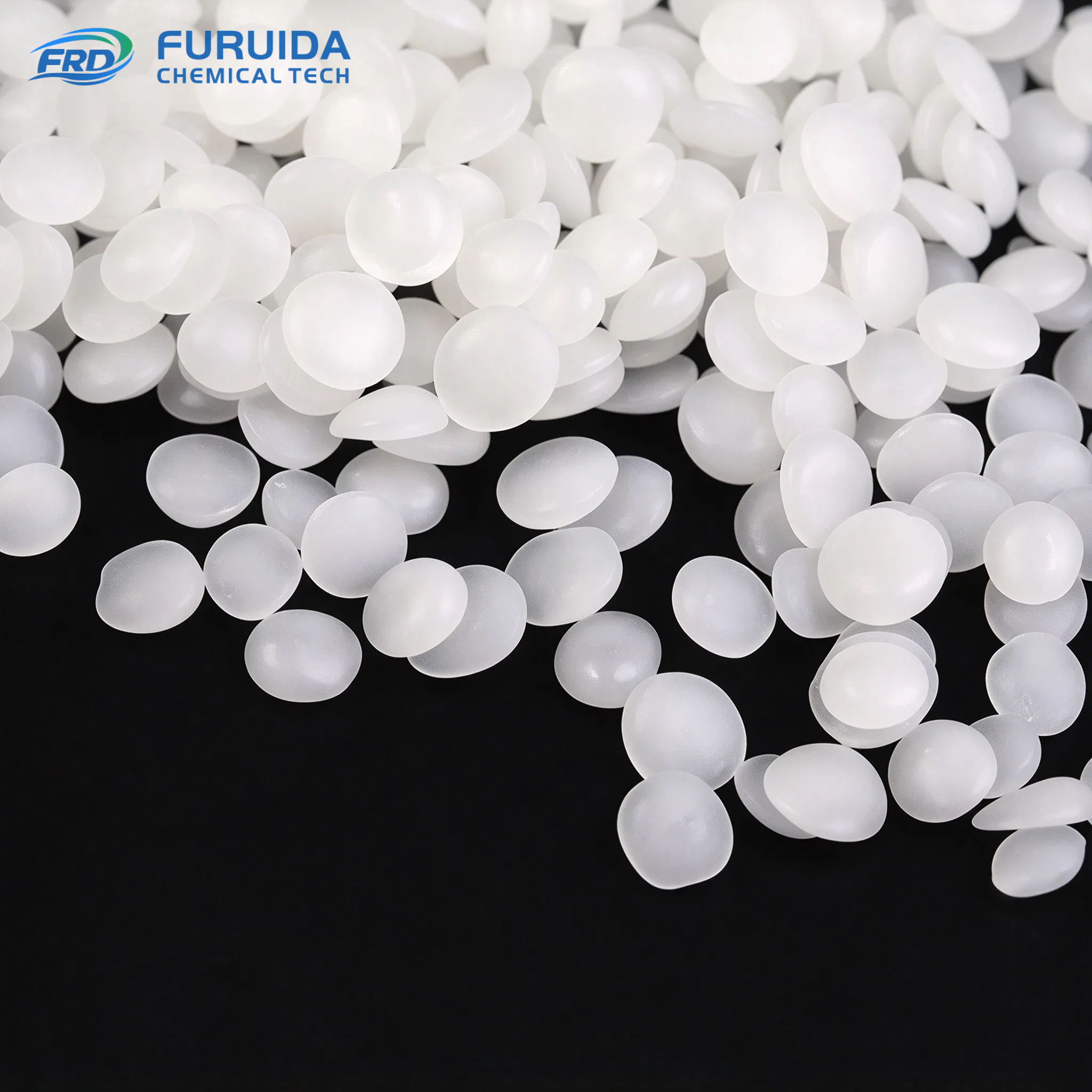
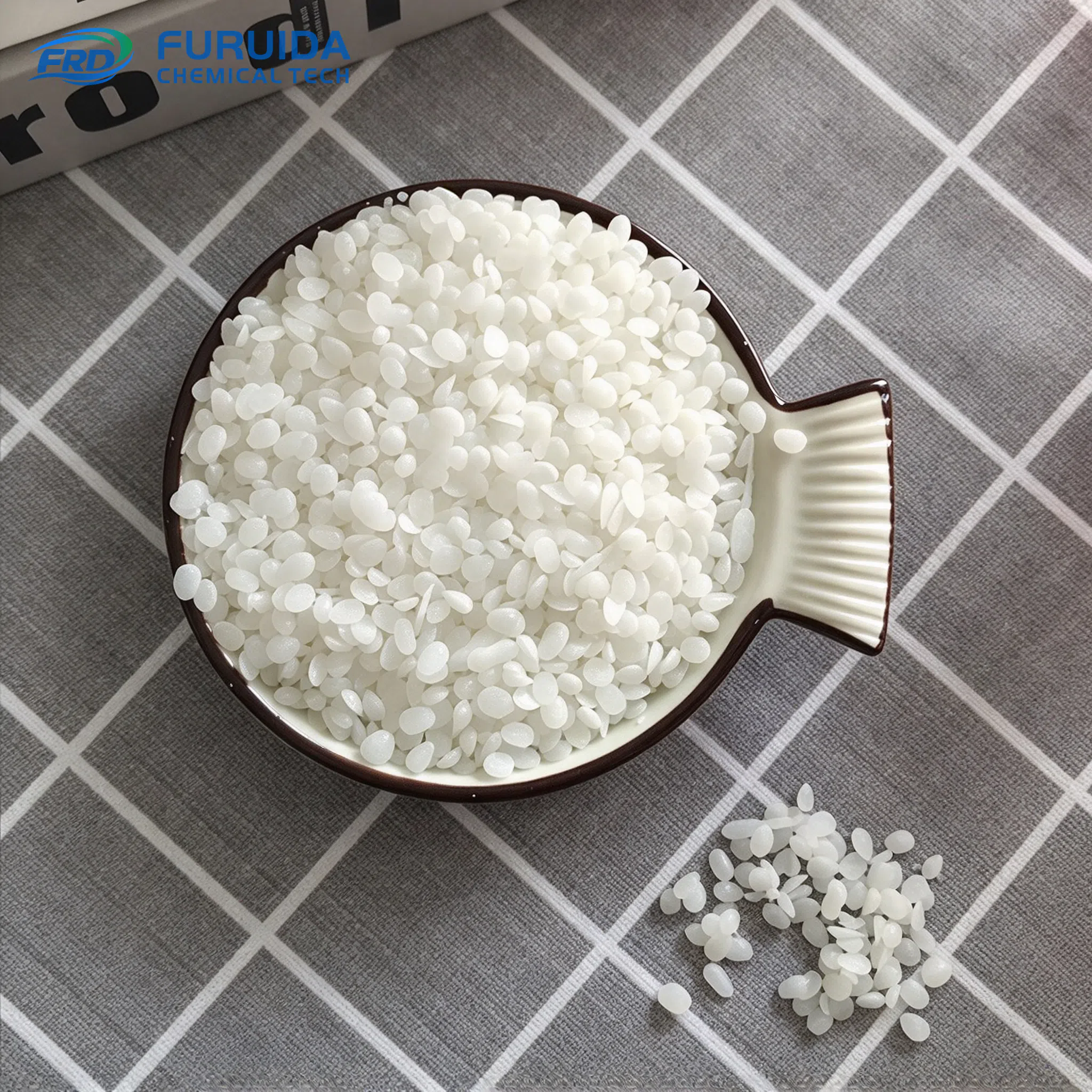
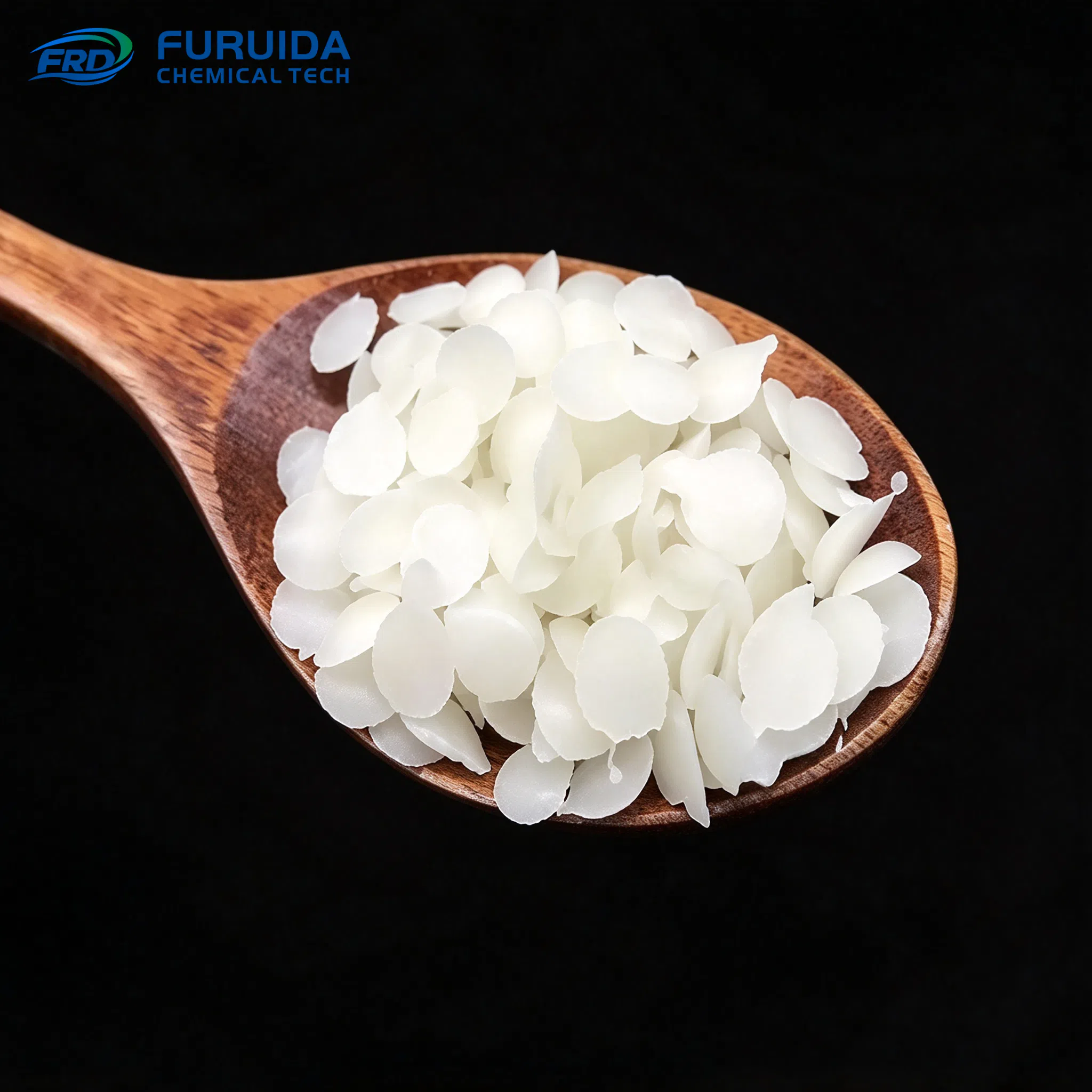
Paraffin wax (CAS#8002-74-2) is a mixture of straight-chain saturated hydrocarbons (predominantly C18–C30 n-alkanes) obtained from petroleum refining, solid at ambient temperature and characterized by a white, odorless, tasteless crystalline structure. The commercial classification that matters most to buyers is based on refining degree—expressed as oil content.
Fully refined paraffin wax contains 0.4–0.8 wt% oil and is completely colorless, odorless, and free of substances detrimental to health. Industry sourcing guides routinely specify ≤0.5% oil content for fully refined grades destined for candles, food packaging, and cosmetics. Semi-refined paraffin wax carries a maximum of approximately 3 wt% oil (with most commercial grades falling in the 0.5–2.0% range), with a light-yellow to white appearance. Technical or scale wax may contain up to 6 wt% oil and is typically a feedstock for further refining rather than a finished-grade purchase.
Oil content is not an abstract purity metric. It directly governs hardness, migration behavior, and surface stability. Lower oil content means a harder, more crystalline wax with a cleaner burn and reduced tendency for oil to migrate out of the matrix over time. In candle applications, elevated oil content can cause softness, poor mold release, and inconsistent burn characteristics. In food-contact packaging, oil migration can compromise barrier integrity and raise compliance questions. In rubber compounding, the oil fraction interacts with the migration rate of the protective wax film—too much oil can produce an excessively glossy “bloom” without delivering durable ozone protection.
Melting point selection is the second specification lever. Commercial paraffin wax is available across a melting range from approximately 52°C to 72°C, typically in 2°C increments (e.g., 58–60°C, 60–62°C, 64–66°C). Higher melting points deliver greater thermal stability and hardness for pillar candles and molded articles; lower melting points improve processability and are preferred for container candles and certain coating formulations.
| Grade | Oil Content (wt%) | Primary B2B Applications | Key Performance Trade-off |
|---|---|---|---|
| Fully refined | ≤ 0.5% | Pillar candles, food packaging, cosmetics, high-spec rubber | Highest hardness & purity; highest cost per ton |
| Semi-refined | 0.5–2.0% | Industrial coatings, matchboxes, fiberboard, general rubber | Balanced cost & performance; narrower compliance envelope |
| Scale / slack | > 2% | Feedstock for further refining; low-cost industrial use | Not a finished-grade purchase for sensitive applications |
Application-by-Application: Where Grade Selection Determines Outcomes
Candle Manufacturing: The Cost–Performance Calculus
However, the grade decision within paraffin is not optional. Pillar candles require high-melt, low-oil fully refined wax (for example, 60–62°C with oil content at or below 0.5%) to achieve mold release and burn consistency. Container candles and tealights can tolerate slightly broader specifications and are often formulated with additives to modify burn rate and fragrance release. A buyer who specifies solely on price and accepts semi-refined wax for a pillar candle program is likely to encounter deformation, mottling, and inconsistent burn pools—defects that surface after the wax has already been melted, poured, and packaged.
Packaging and Food-Contact Coatings: Compliance Is the Baseline
Paraffin wax functions as a moisture-barrier coating for food packaging, corrugated board, and certain cheese coatings. In these applications, “food grade” is not a marketing claim; it is a documentation requirement. Fully refined paraffin with oil content ≤0.5% is the starting specification, and compliance with FDA 21 CFR 178.3710 (indirect food contact substances) or 21 CFR 172.886 (direct food additives) must be supported by a current certificate of analysis and, where applicable, third-party test reports. Halal and Kosher certifications are frequently requested by buyers serving Middle Eastern and Southeast Asian markets respectively.
Rubber and Tire Compounding: Controlled Migration, Not Just “Wax Addition”
In rubber and tire applications, paraffin wax acts as an anti-ozonant through a physical mechanism: after vulcanization, the wax migrates to the rubber surface and forms a thin, inert barrier film that prevents atmospheric ozone from attacking the double bonds in the elastomer chain. Unprotected rubber exposed to ozone develops cracking and degradation; the wax film interrupts that pathway.
The nuance that separates competent sourcing from naive purchasing is migration control. Straight-chain paraffin waxes migrate relatively quickly and can produce a heavy surface bloom; microcrystalline waxes migrate more slowly and offer longer-lasting protection under dynamic stress. Many tire compounds therefore use blends of paraffin and microcrystalline waxes, or specially formulated anti-ozone waxes, to balance bloom appearance with ozone resistance across a service temperature window that may span −10°C to 50°C. A buyer who treats paraffin wax for rubber as a single-specification commodity risks either insufficient protection or an unacceptable visual bloom on finished tires.
Hot Melt Adhesives and General Industrial Uses
Paraffin wax modifies viscosity, open time, and set speed in hot melt adhesives for packaging and woodworking. Here, the interaction between wax melting point and the overall adhesive formulation matters more than any single number in isolation. Semi-refined grades often provide an adequate performance–cost balance, provided the supplier can demonstrate batch-to-batch consistency in melting point and penetration.
The Procurement Reality: Five Specification Failures That Cost More Than the Wax
Industry sourcing guidance consistently identifies a recurring set of buyer errors that undermine the apparent savings of low-price procurement.
Buying on price alone. The lowest quotation frequently corresponds to a lower refining degree or an off-specification melting point. The resulting processing losses and finished-product defects typically exceed the per-ton differential.
Ignoring the oil content–application match. A candle producer specifying semi-refined wax for a pillar program, or a food-packaging converter accepting a certificate without verifying oil content against FDA compliance documentation, is accepting risk that will surface downstream.
Failing to verify batch consistency. A single COA for a sample shipment does not confirm that production lots six months later will carry the same melting point and oil content. Suppliers should provide lot-specific COAs for each shipment, not a generic product datasheet.
Overlooking compliance documentation. For food, cosmetic, and pharmaceutical-adjacent uses, the absence of current FDA, Halal, Kosher, or equivalent documentation is a supply-chain vulnerability that no price advantage justifies.
Neglecting packaging and shipping conditions. Paraffin wax is transported in 25 kg paper-plastic composite bags or woven bags, typically palletized at 1,000 kg per pallet. Buyers sourcing for ocean freight should confirm packaging integrity for extended transit and verify that storage conditions at the receiving end will not expose the wax to heat or moisture that alters its crystalline structure.
A further structural consideration: refinery output of fully refined and semi-refined paraffin has tightened as producers prioritize higher-margin fuel and lubricant streams. This has reinforced a buyer preference for supplier continuity and grade stability over opportunistic spot procurement. In practical terms, a supplier who can hold a consistent melting point and oil content across contract periods is worth a modest premium over a spot seller whose specification drifts between cargoes.
Frequently Asked Questions (FAQ)
Q1: What is the practical difference between fully refined and semi-refined paraffin wax for B2B buyers?
The distinction is refining degree, measured as oil content. Fully refined wax contains approximately 0.4–0.8% oil and is colorless, odorless, and suitable for candles, food-contact packaging, and cosmetic formulations. Semi-refined wax contains up to roughly 3% oil (most commercial grades in the 0.5–2.0% range) and is appropriate for industrial coatings, fiberboard, general rubber, and applications where slight color or odor is not performance-critical. The choice should be driven by the sensitivity of the finished product, not by the price gap alone.
Q2: How do I select the correct melting point for my application?
Melting point governs hardness, thermal stability, and processing window. Higher melting points (e.g., 60–62°C and above) are preferred for pillar candles and molded articles requiring shape retention; lower melting points improve flow and are suited to container candles, coatings, and formulations where low-temperature processing is an advantage. Most suppliers offer grades across the 52–72°C range in 2°C increments, so the specification should be matched to the end-use requirement rather than defaulting to a single “standard” grade.
Q3: What documents should accompany a bulk paraffin wax shipment?
A current Certificate of Analysis (COA) specific to the production lot, reporting oil content, melting point, color (Saybolt scale), and penetration, is the minimum. For food-contact, cosmetic, or regulated industrial uses, the supplier should also provide applicable FDA 21 CFR compliance documentation (typically 21 CFR 178.3710 or 172.886), and Halal or Kosher certificates where the destination market requires them. A supplier that cannot provide lot-traceable documentation is a supply-chain risk regardless of price.
Q4: Why is paraffin wax still preferred over soy wax for many candle programs?
Paraffin wax offers a lower bulk raw-material cost—commonly US1.5–2.2/kgversusUS 2.8–4.0/kg for soy wax—and delivers stronger hot throw and structural stability, which are critical for molded and pillar candle formats. Soy wax has advantages in renewable sourcing and burn time, but at a significant cost premium. For volume-driven programs where cost per candle and scent performance are the dominant purchasing criteria, fully refined paraffin remains the economically rational choice.
Source Paraffin Wax with Verified Specifications—Not Assumed Ones
If your production schedule depends on paraffin wax that meets a defined oil content, melting point, and compliance profile—lot after lot—the starting point is a supplier conversation grounded in documentation, not a price list.
Contact our technical sales team to:
Request a grade-matched sample (fully refined or semi-refined, 52–72°C melting range) for your application trial;
Obtain a lot-specific COA and TDS showing oil content, melting point, Saybolt color, and penetration;
Confirm regulatory documentation (FDA, Halal, Kosher) for your destination market;
Discuss packaging options (25 kg bags, palletized loads, OEM labeling) and contract supply with stable lead times.


