Products Description
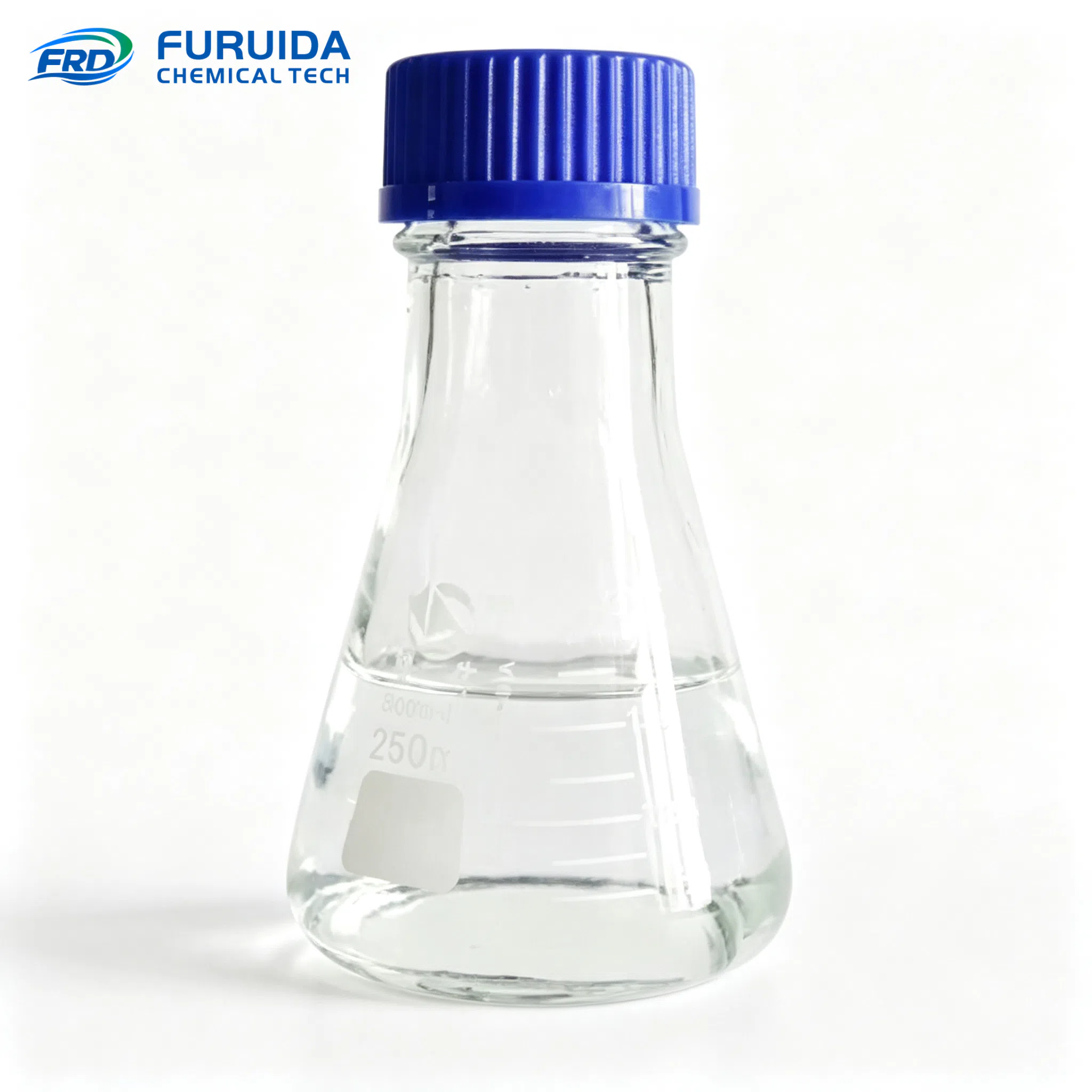
99.8% acetic acid is widely known as glacial acetic acid. The term “glacial” originates from its distinctive physical property: high‑purity acetic acid solidifies into ice‑like colourless crystalline solids once the temperature falls below 16.6 °C. Featuring 99.8% assay, this grade represents highly concentrated anhydrous acetic acid with minimal impurity content.
At ambient temperature, it appears as a clear, colourless liquid releasing an intense, pungent sour odour. It is fully miscible with water, ethanol and ether in all proportions. Its aqueous solution delivers strong acidic characteristics. As a highly volatile organic carboxylic acid, glacial acetic acid poses corrosive risks to skin, mucous membranes and certain metallic materials. Its vapours are also irritant upon inhalation, so proper ventilation and protective handling are required during operation.
Products Chemical Properties
| Melting point | 16.2 °C(lit.) |
| Boiling point | 117-118 °C(lit.) |
| density | 1.049 g/mL at 25 °C(lit.) |
| vapor density | 2.07 (vs air) |
| vapor pressure | 11.4 mm Hg ( 20 °C) |
| refractive index | n20/D 1.371(lit.) |
| FEMA | 2006 | ACETIC ACID |
| Fp | 104 °F |
| storage temp. | Store below +30°C. |
| solubility | alcohol: miscible(lit.) |
| form | Solution |
| pka | 4.74(at 25℃) |
| Specific Gravity | 1.0492 (20℃) |
| color | colorless |
| Odor | Strong, pungent, vinegar-like odor detectable at 0.2 to 1.0 ppm |
| PH | 3.91(1 mM solution);3.39(10 mM solution);2.88(100 mM solution); |
| PH Range | 2.4 (1.0M solution) |
| Odor Threshold | 0.006ppm |
| Odor Type | acidic |
| explosive limit | 4-19.9%(V) |
| Water Solubility | miscible |
| λmax | λ: 260 nm Amax: 0.05 λ: 270 nm Amax: 0.02 λ: 300 nm Amax: 0.01 λ: 500 nm Amax: 0.01 |
| Merck | 14,55 |
| JECFA Number | 81 |
| BRN | 506007 |
| Henry's Law Constant | 133, 122, 6.88, and 1.27 at pH values of 2.13, 3.52, 5.68, and 7.14, respectively (25 °C, Hakuta et al., 1977) |
| Dielectric constant | 4.1(2℃) |
| Exposure limits | TLV-TWA 10 ppm ~25 mg/m3) (ACGIH, OSHA, and MSHA); TLV-STEL 15 ppm (37.5 mg/m3) (ACGIH). |
| Stability: | Volatile |
| LogP | -0.170 |
| CAS DataBase Reference | 64-19-7(CAS DataBase Reference) |
| NIST Chemistry Reference | Acetic acid(64-19-7) |
| EPA Substance Registry System | Acetic acid (64-19-7) |
Safety Information
| Hazard Codes | C,Xi |
| Risk Statements | 34-42-35-10-36/38 |
| Safety Statements | 26-36/37/39-45-23-24/25 |
| RIDADR | UN 1792 8/PG 2 |
| WGK Germany | 3 |
| RTECS | NN1650000 |
| F | 1-8-10 |
| Autoignition Temperature | 426 °C |
| TSCA | Yes |
| HazardClass | 8 |
| PackingGroup | II |
| HS Code | 29152100 |
| Hazardous Substances Data | 64-19-7(Hazardous Substances Data) |
| Toxicity | LD50 in rats (g/kg): 3.53 orally (Smyth) |
| IDLA | 50 ppm |
Product Application
99.8% glacial acetic acid represents a high‑volume industrial commodity and ranks among the most essential organic acids across the global chemical sector. Its major consumption fields lie in the manufacture of vinyl acetate, acetic anhydride, various acetate esters and cellulose acetate. Vinyl acetate serves as the feedstock for polyvinyl acetate, which finds broad utilization in adhesives and plastic films, and further acts as the precursor for vinylon synthetic fibers. Cellulose acetate is primarily deployed for producing rayon fibers and photographic base films.
Acetate esters generated from reactions between glacial acetic acid and low‑molecular‑weight alcohols are high‑grade industrial solvents, widely applied within coatings, paints and varnish industries. Moreover, glacial acetic acid works as an inert reaction solvent for large‑scale oxidation processes. A typical example is the oxidation of para‑xylene to terephthalic acid (PTA), the core monomer for PET polyester materials.
Within organic synthesis workflows, it constitutes an indispensable starting material for producing acetic anhydride, diethyl malonate, ethyl acetoacetate and haloacetic acids. It also participates in manufacturing pharmaceutical intermediates such as aspirin, as well as agrochemical products including the 2,4‑D herbicide.
Additionally, glacial acetic acid is used for synthesizing multiple metal acetate salts, covering sodium acetate, manganese acetate, aluminum acetate, zinc acetate and cobalt acetate. These acetates function as catalysts or functional additives for textile printing‑dyeing, leather tanning and other industrial segments. For example, aluminum acetate acts as a textile mordant and mild medical disinfectant; sodium acetate and potassium acetate serve as common pH buffering agents for biochemical assays and biological research.
In food‑related industries, glacial acetic acid acts as an acidulant, flavor modifier and food condiment. After being diluted to 4%‑5% and compounded with natural flavorings, it can produce synthetic edible vinegar via a cost‑effective manufacturing route.
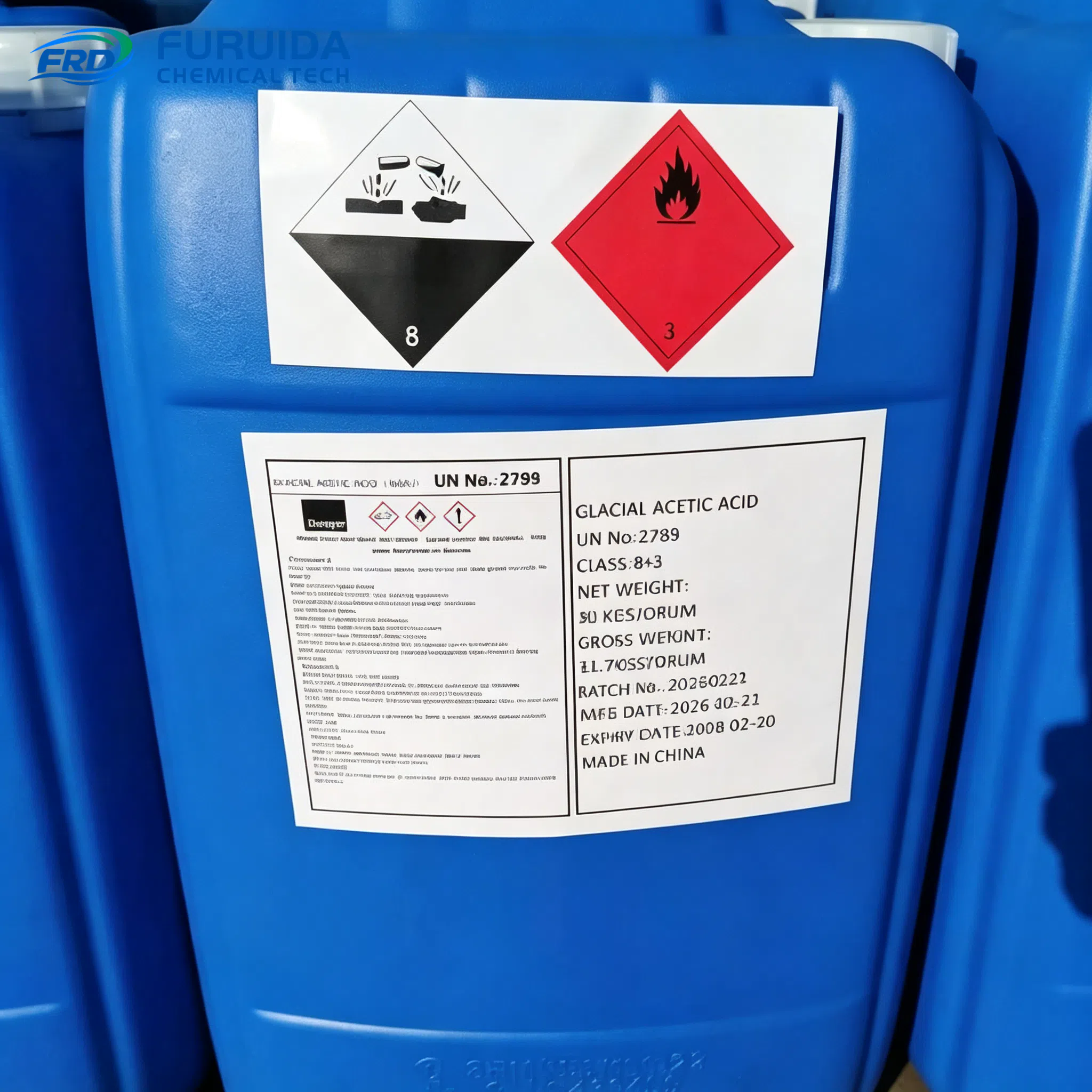
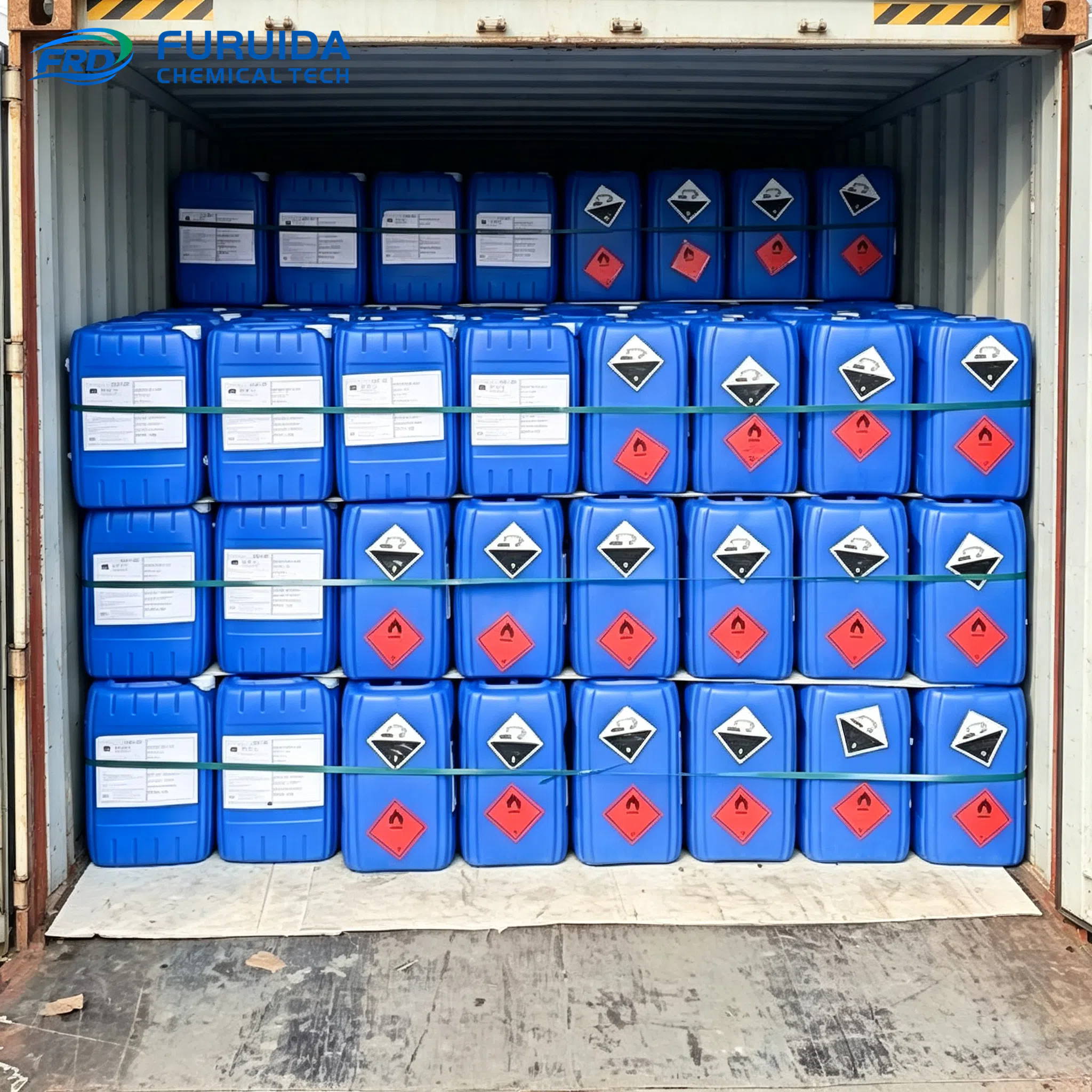
Notably, glacial acetic acid is highly corrosive. Direct physical contact may trigger serious skin irritation, blistering and tissue burns. Classified as GHS Skin Corrosion Category 1A hazardous substance, it requires appropriate personal protective equipment and strict standardized safety protocols during handling, storage and transportation.
Company Profile
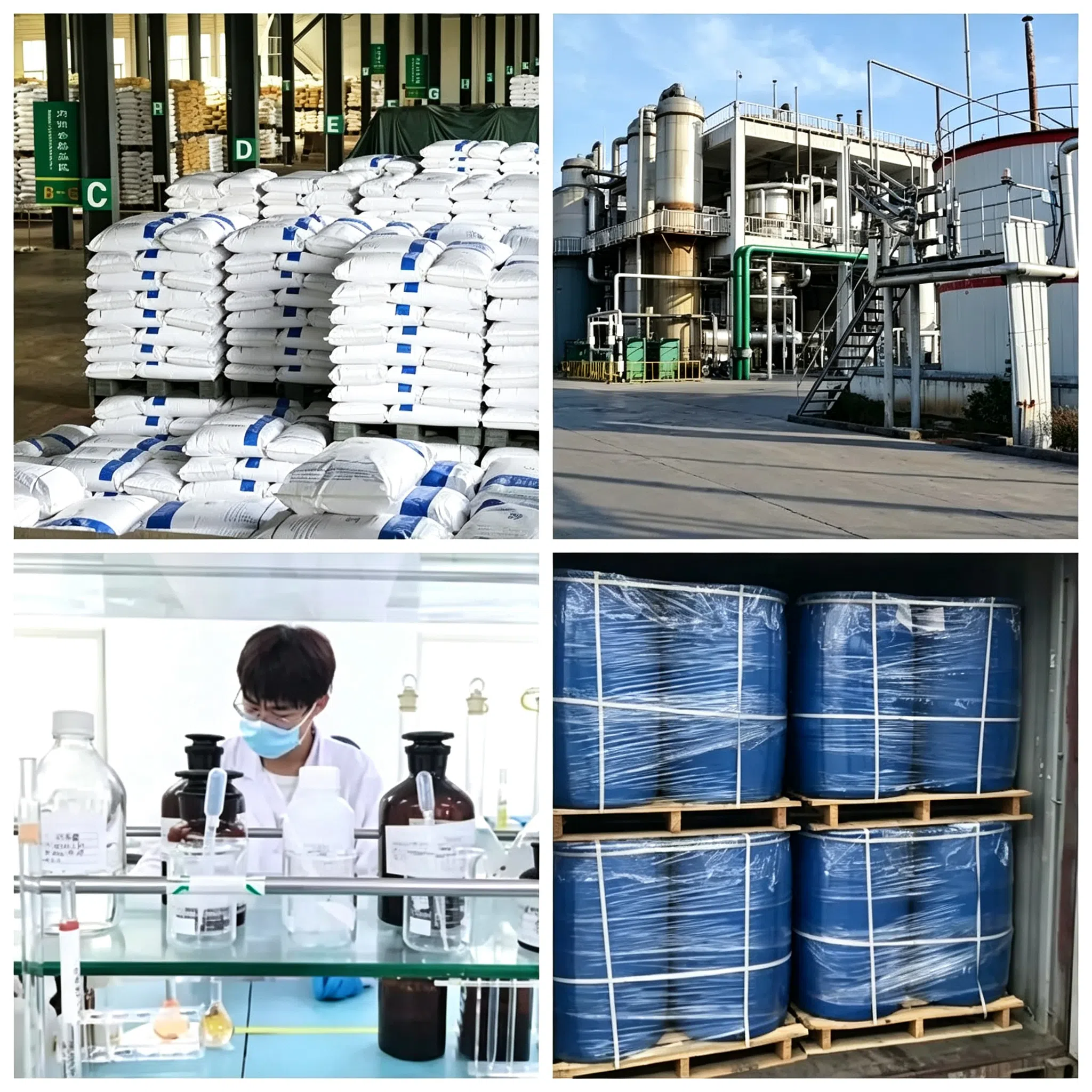
Furuida (Jinan) Chemical Technology Co., Ltd. is a modern fine chemical enterprise headquartered in Shandong, China. We integrate R&D, production, sales, and global services, with a focus on new chemical materials. Integrity, quality, and customer-first service guide our work. Continuous innovation and strict quality management drive our international growth, operational standards, and brand reputation.
Our experienced foreign trade and technical support team, mature global supply network, and resilient supply chain enable annual sales above RMB 600 million and service to over 5,000 industrial clients. Our markets span Asia, Europe, Africa, and Oceania.
We supply pharmaceutical intermediates and raw materials, food additives, electroplating chemicals, water treatment agents, dye auxiliaries, functional materials, titanium compounds, metal salts, catalysts, and surfactants. These products are widely used in pharmaceuticals, electronics, coatings, rubber and plastics, fine chemicals, and water treatment. We are committed to reliable, cost-effective chemical solutions and comprehensive one-stop services for global partners.