
Benefits of Zinc Stearate
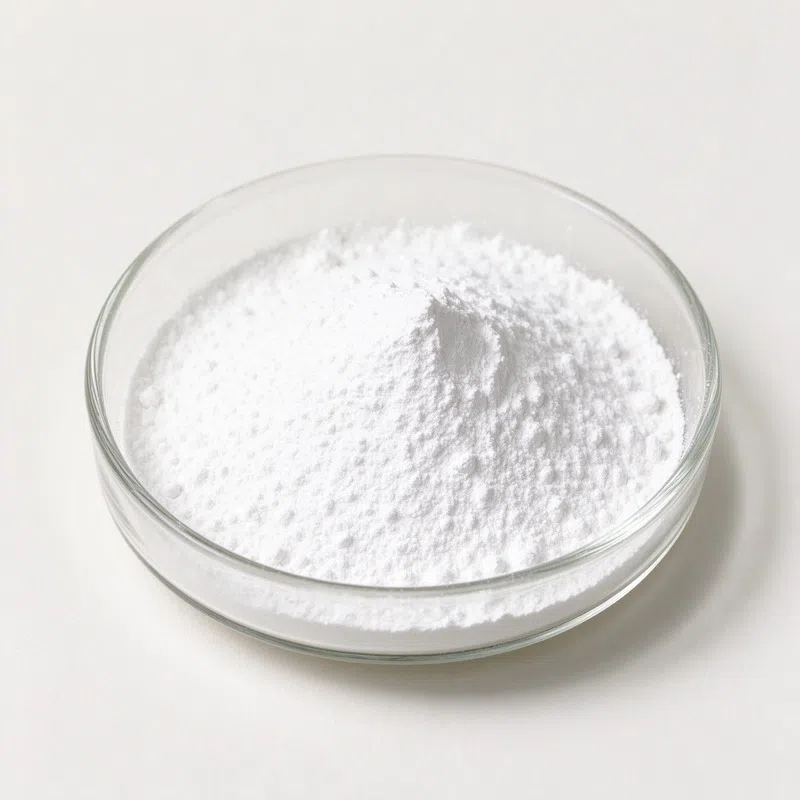
Zinc stearate (chemical formula: C₃₆H₇₀O₄Zn, CAS No. 557-05-1) is the zinc salt of stearic acid, belonging to the family of metallic soaps. It appears as a fine, white, odorless powder with a characteristic slippery, soapy touch. Zinc stearate is insoluble in water, ethanol, and ether at room temperature, but disperses readily in oils, solvents, and polymer systems. It is widely valued as a lubricant, release agent, and hydrophobic additive across the rubber, plastics, coatings, and personal care industries.
What Is Zinc Stearate?
Zinc stearate is produced by the direct reaction of stearic acid with zinc oxide or through a precipitation process using sodium stearate and a soluble zinc salt. The resulting product is a light, fluffy white powder with excellent oil absorption and anti-caking properties.
One of its most important characteristics is thermal stability combined with internal lubricity. When incorporated into polymer melts, zinc stearate reduces friction between polymer chains and between the melt and processing equipment, improving flow and surface finish. At the same time, it acts as a release agent, preventing molded parts from adhering to metal dies. It also exhibits strong water-repellent properties, which make it useful as a hydrophobing agent in construction materials and powder coatings.
Zinc Stearate Uses
Zinc stearate has a wide range of applications across the rubber, plastics, coatings, cosmetic, and construction industries.
Rubber Industry: It serves as an activator and dispersant in rubber compounding, improving the distribution of fillers such as carbon black and silica. It also functions as a mold-release agent, enabling clean demolding of tires, hoses, and technical rubber goods.
Plastics and Masterbatch: Zinc stearate is widely used as an external lubricant and release agent in PVC, polyolefin, and engineering polymer processing. It enhances mold flow, prevents plate-out, and contributes to a smooth, glossy surface on extruded and injection-molded products.
Powder Coatings and Paints: It acts as a flattening (matting) agent and grinding aid in powder coatings. By controlling the surface sheen of cured films, it helps produce matte or satin finishes while improving storage stability and anti-blocking behavior.
Personal Care and Pharmaceuticals: Zinc stearate is used as a bulking agent, binder, and lubricant in pressed powders, eye shadows, and pharmaceutical tablets. Its hydrophobic nature also supports its use as a water-repellent and skin-protective ingredient in certain topical formulations.
Construction and Building Materials: Added to concrete plasters, putties, and tile adhesives, zinc stearate acts as a water-repellent and anti-caking agent, improving workability and reducing moisture uptake in cement-based products.
Miscellaneous Industrial Applications: It can also serve as a lubricant in metal forming, a flatting agent in printing inks, and a sintering aid in powder metallurgy. Its combination of lubricity, hydrophobicity, and thermal stability makes it a versatile additive that continues to find new applications across manufacturing.


