

Product Description of Citric Acid CAS#77-92-9
Citric acid is a white crystalline weak organic acid that occurs naturally in most plants and many animals, where it functions as an intermediate in cellular respiration. It contains three carboxyl groups, classifying it as a tricarboxylic acid. The term “citrus” is derived from the Greek word kedromelon, meaning “apple of melon,” referring to the citron fruit (Citrus medica), which has been historically described as an oblong fruit from a shrub-like tree. Lemons and limes are particularly rich in citric acid, with contents reaching up to 8% of their dry weight.
As a weak acid, citric acid releases hydrogen ions from its three carboxyl groups (COOH) in solution, forming the citrate ion (C₃H₅O(COO)₃³⁻). It can also form intermediate ions when one or two hydrogen atoms dissociate. The citrate ion readily combines with metals to form salts, the most common being calcium citrate. Additionally, citric acid can form esters, producing various citrate compounds such as trimethyl citrate and triethyl citrate.
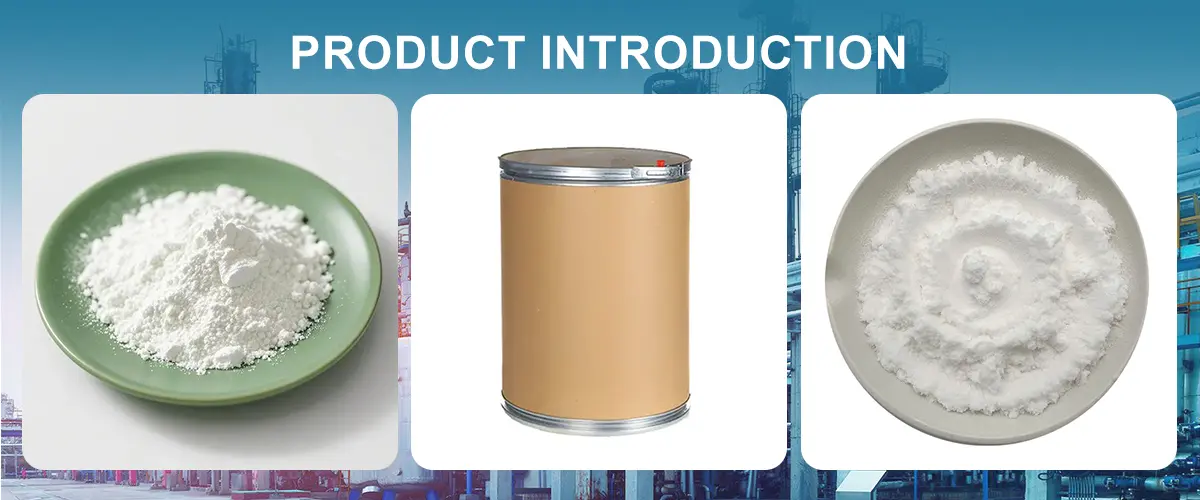
Citric acid Citric acid Chemical Properties
| Melting point | 153-159 °C (lit.) |
| Boiling point | 248.08°C (rough estimate) |
| density | 1.67 g/cm3 at 20 °C |
| vapor density | 7.26 (vs air) |
| vapor pressure | <0.1 hPa (20 °C) |
| refractive index | 1.493~1.509 |
| FEMA | 2306 | CITRIC ACID |
| Fp | 100 °C |
| storage temp. | 2-8°C |
| solubility | Citric acid also dissolves in absolute (anhydrous) ethanol (76 parts of citric acid per 100 parts of ethanol) at 15 °C. |
| form | grit |
| pka | 3.14(at 20℃) |
| color | White |
| PH | 3.24(1 mM solution);2.62(10 mM solution);2.08(100 mM solution); |
| Odor | Odorless |
| Odor Type | odorless |
| explosive limit | 8%, 65°F |
| Water Solubility | soluble in Water (1174g/L at 10°C, 1809g/L at 30°C, 3825g/L at 80°C). |
| Sensitive | Hygroscopic |
| λmax | λ: 260 nm Amax: 0.20 λ: 280 nm Amax: 0.10 |
| Merck | 14,2326 |
| JECFA Number | 218 |
| BRN | 782061 |
| Stability: | Stable. Incompatible with bases, strong oxidizing agents, reducing agents, metal nitrates. |
| InChIKey | KRKNYBCHXYNGOX-UHFFFAOYSA-N |
| LogP | -1.64 |
| CAS DataBase Reference | 77-92-9(CAS DataBase Reference) |
| NIST Chemistry Reference | 1,2,3-Propanetricarboxylic acid, 2-hydroxy-(77-92-9) |
| EPA Substance Registry System | Citric acid (77-92-9) |
Chemical Properties
| Melting point | 153-159 °C (lit.) |
| Boiling point | 248.08°C (rough estimate) |
| density | 1.67 g/cm3 at 20 °C |
| vapor density | 7.26 (vs air) |
| vapor pressure | <0.1 hPa (20 °C) |
| refractive index | 1.493~1.509 |
| FEMA | 2306 | CITRIC ACID |
| Fp | 100 °C |
| storage temp. | 2-8°C |
| solubility | Citric acid also dissolves in absolute (anhydrous) ethanol (76 parts of citric acid per 100 parts of ethanol) at 15 °C. |
| form | grit |
| pka | 3.14(at 20℃) |
| color | White |
| PH | 3.24(1 mM solution);2.62(10 mM solution);2.08(100 mM solution); |
| Odor | Odorless |
| Odor Type | odorless |
| explosive limit | 8%, 65°F |
| Water Solubility | soluble in Water (1174g/L at 10°C, 1809g/L at 30°C, 3825g/L at 80°C). |
| Sensitive | Hygroscopic |
| λmax | λ: 260 nm Amax: 0.20 λ: 280 nm Amax: 0.10 |
| Merck | 14,2326 |
| JECFA Number | 218 |
| BRN | 782061 |
| Stability: | Stable. Incompatible with bases, strong oxidizing agents, reducing agents, metal nitrates. |
| InChIKey | KRKNYBCHXYNGOX-UHFFFAOYSA-N |
| LogP | -1.64 |
| CAS DataBase Reference | 77-92-9(CAS DataBase Reference) |
| NIST Chemistry Reference | 1,2,3-Propanetricarboxylic acid, 2-hydroxy-(77-92-9) |
| EPA Substance Registry System | Citric acid (77-92-9) |
Safety Information
| Hazard Codes | Xi,C,T |
| Risk Statements | 41-36/37/38-36/38-37/38-34-36-35-61-60 |
| Safety Statements | 26-39-37/39-24/25-36/37/39-45-36-53 |
| RIDADR | UN 1789 8/PG 3 |
| WGK Germany | 1 |
| RTECS | GE7350000 |
| F | 9 |
| TSCA | Yes |
| Hazardous Substances Data | 77-92-9(Hazardous Substances Data) |
| Toxicity | LD50 in mice, rats (mmol/kg): 5.0, 4.6 i.p. (Gruber, Halbeisen) |
Citric acid is an acidulant and antioxidant produced through mold fermentation of sugar solutions, as well as by extraction from lemon juice, lime juice, and residues from pineapple canning. It is the primary acid found in oranges, lemons, and limes. Citric acid is available in both anhydrous and monohydrate forms: the anhydrous form crystallizes from hot solutions, while the monohydrate form crystallizes from cold solutions (below 36.5°C).
At 20°C, anhydrous citric acid has a solubility of 146 g, while the monohydrate form has a solubility of 175 g per 100 ml of distilled water. A 1% solution has a pH of 2.3 at 25°C. It is hygroscopic and has a strong, tart taste.
Citric acid is commonly used as an acidulant in fruit drinks and carbonated beverages at levels of 0.25–0.40%, in cheese at 3–4%, and in jellies. It also functions as an antioxidant in products such as instant potatoes, wheat chips, and potato sticks by binding metal ions to prevent spoilage. Additionally, it is used in combination with other antioxidants in the processing of fresh frozen fruits to help prevent discoloration.
Company Profile
Furuida (Jinan) Chemical Technology Co., Ltd. is a chemical enterprise headquartered in Shandong, China, engaged in R&D, production, sales, and global customer service. Centered on advanced chemical materials, the company upholds three core principles: integrity in every deal, rigorous quality standards, and service viewed as a lasting partnership. Innovation is carried out in daily operations rather than merely promoted, and quality is verified at each stage of manufacturing. This philosophy has helped Furuida enter new markets, streamline its operations, and earn buyer confidence.
The company's success is driven by a capable team with deep expertise in international trade and technical support, reinforced by a mature global supply network that balances dependability with prompt delivery. Annual revenue has now surpassed RMB 600 million, and enduring relationships have been established with more than 5,000 industrial customers spanning Asia, Europe, Africa, and Oceania. This broad reach has fostered strong customer loyalty and considerable respect throughout the industry.
On the product side, Furuida offers pharmaceutical intermediates, food additives, electroplating chemicals, water treatment agents, dye auxiliaries, functional new materials, titanium compounds, metal salts, catalysts, and surfactants. These products serve industries including pharmaceuticals, electronics, coatings, rubber and plastics, specialty chemicals, and water treatment. Leveraging this diverse lineup, Furuida delivers to customers worldwide reliable, competitively priced products and comprehensive one-stop solutions that adapt to evolving market demands.


