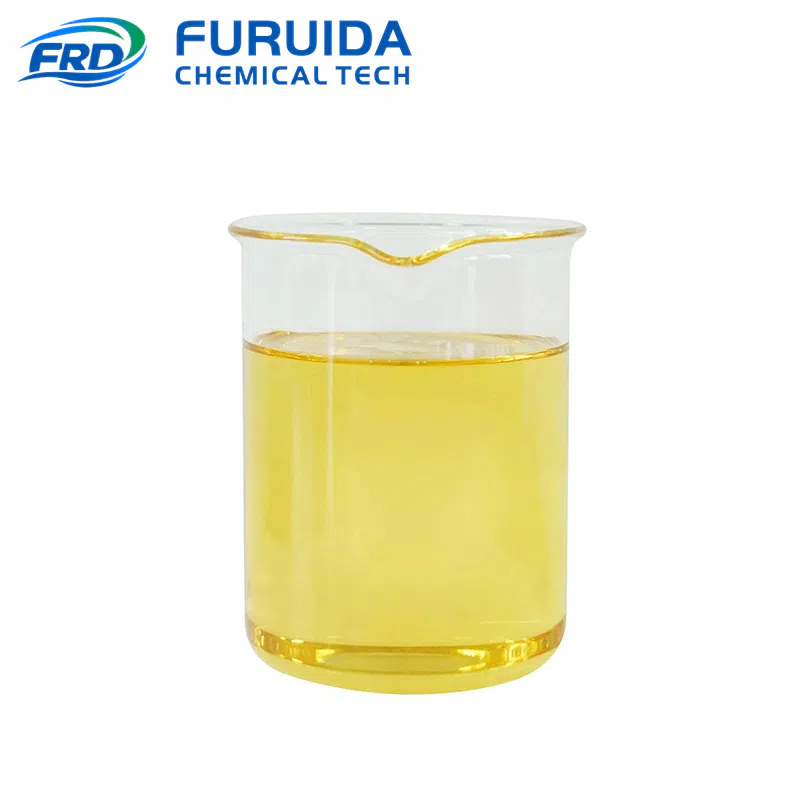
1,2-Octanediol CAS#1117-86-8
1,2-Octanediol is a multifunctional chemical compound with a wide range of applications. It is utilized to enhance the HPLC separation performance of organic acids and bases and serves as a raw material for the synthesis of halohydrin palmitates. Additionally, 1,2-Octanediol has been investigated for its potential use as a pediculicide and has demonstrated effectiveness against louse infestations.
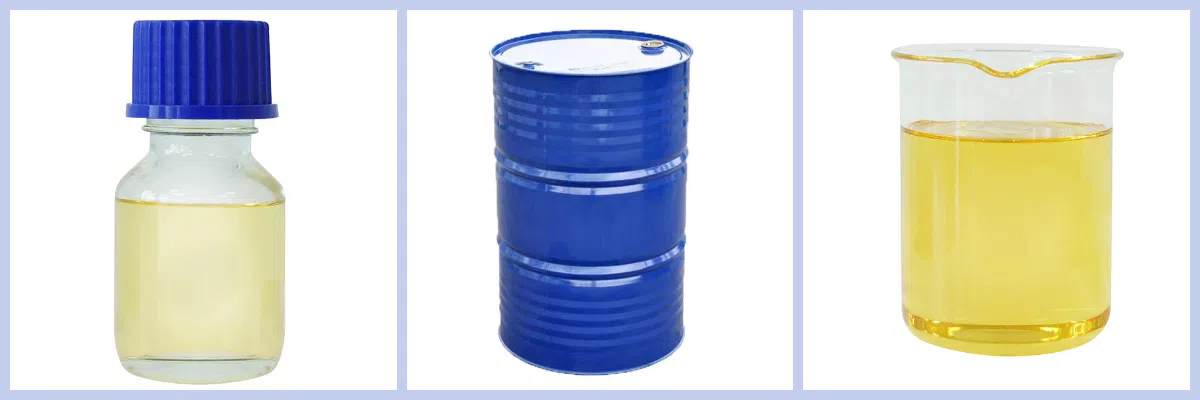
Chemical Properties
| Melting point | 36-38 °C (lit.) |
| Boiling point | 131-132 °C/10 mmHg (lit.) |
| density | 0.914 |
| vapor density | >1 (vs air) |
| vapor pressure | 0.28Pa at 25℃ |
| refractive index | 1.4505 (estimate) |
| Fp | >230 °F |
| storage temp. | Sealed in dry,Room Temperature |
| solubility | 3 g/L (20°C) |
| form | Low Melting Solid |
| pka | 14.60±0.10(Predicted) |
| color | Colorless to white |
| Water Solubility | 3 g/L (20 ºC) |
| BRN | 1719619 |
| Cosmetics Ingredients Functions | SKIN CONDITIONING - EMOLLIENT |
| DEODORANT | |
| HAIR CONDITIONING | |
| SKIN CONDITIONING | |
| LogP | 2.1 at 25℃ |
| CAS DataBase Reference | 1117-86-8(CAS DataBase Reference) |
| NIST Chemistry Reference | 1,2-Octanediol(1117-86-8) |
| EPA Substance Registry System | 1,2-Octanediol (1117-86-8) |
| Hazard Codes | Xi |
| Risk Statements | 36 |
| Safety Statements | 37/39-26-24/25 |
| WGK Germany | 2 |
| TSCA | TSCA listed |
| HazardClass | IRRITANT |
| HS Code | 29053990 |
Product Application of 1,2-Octanediol CAS#1117-86-8
Diols generally have high water solubility and strong hygroscopicity. Because of their linear aliphatic carbon chain structures, they are also reactive with various organic compounds. 1,2-Octanediol is a linear diol with two primary hydroxyl groups, so it has bacteriostatic and bactericidal properties. It is a valuable preservative in cosmetic formulas.
It is also widely used in coating materials, slurries, paper manufacturing processes and water circulation systems, and can effectively prevent the fungal growth. In cosmetics and personal care products, 1,2-Octanediol can be used as an emollient, humectant and wetting agent to help improve product performance.
Because alcohol compounds have active hydroxyl groups, they can undergo various chemical reactions, including dehydration, oxidation, nucleophilic substitution and condensation reactions. Under acidic conditions, alcohols may be dehydrated to form alkenes, while primary and secondary alcohols can be oxidized to aldehydes and ketones respectively. Aldehydes are further oxidized to form carboxylic acids.
Alcohols can also participate in condensation reactions to form ethers and esters, such as the esterification reaction between alcohols and carboxylic acids. Alcohol compounds are important solvents and chemical intermediates and are widely used in the production of pharmaceuticals, veterinary medicines, plasticizers, surfactants, lubricants, flotation agents, pesticides, hydraulic fluids and detergents.
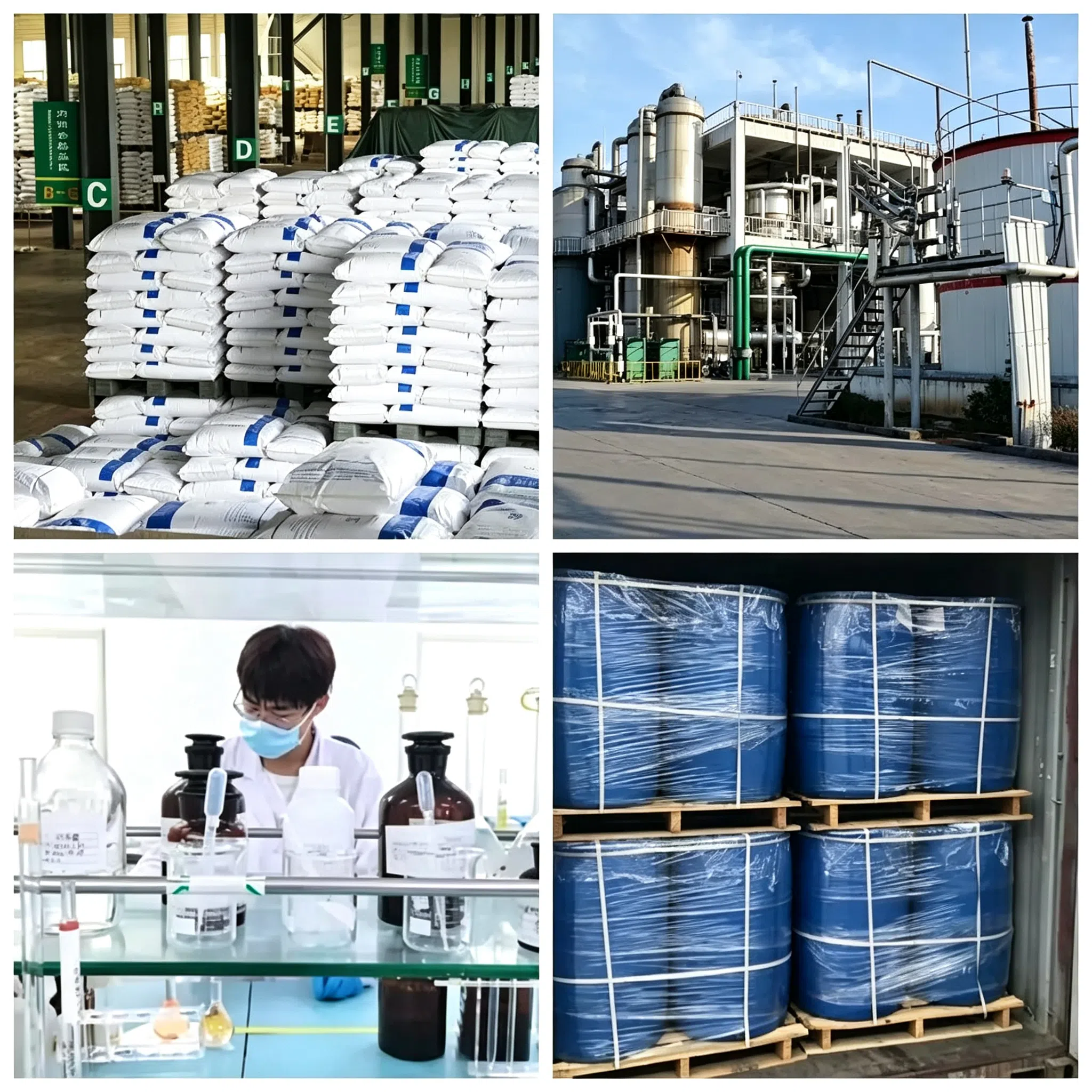
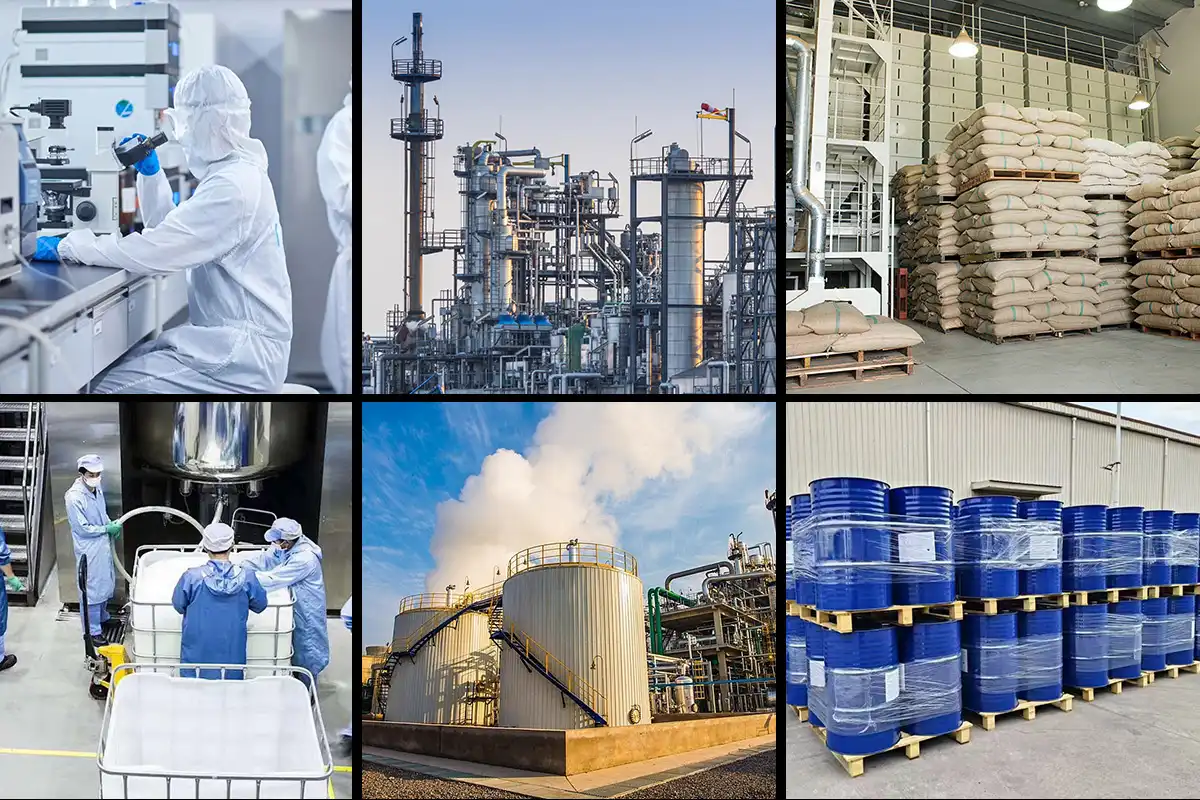
Factory and Equipment Show