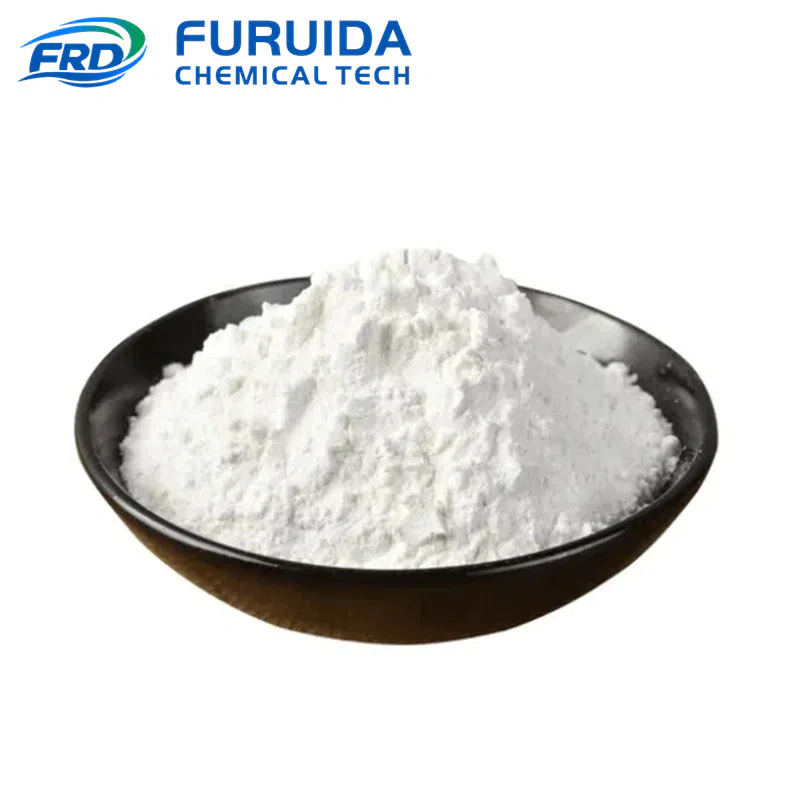
SILICIC ACID CAS#1343-98-2
Silicic acid, also known as metasilicic acid, is a dibasic weak acid that is nearly insoluble in water. Its chemical formula is H₂SiO₃, and its molecular weight is 78.10. This compound appears as a white, amorphous powder with very low water solubility. At room temperature, its first ionization equilibrium constant is K₁ = 2 × 10⁻¹⁰.
In nature, silicic acid typically exists in the form of salts. It is insoluble in hydrochloric acid or sulfuric acid, but it can dissolve in hydrofluoric acid or alkaline solutions, such as those of potassium hydroxide or sodium hydroxide, to form potassium silicate (K₂SiO₃) or sodium silicate (Na₂SiO₃), along with water.
Silicic acid has a decomposition melting point of approximately 150°C. When heated above this temperature, it decomposes into silicon dioxide (which acts as the silicic anhydride) and water. Silicic acid cannot be synthesized by the direct reaction of silicon dioxide with water; instead, it is obtained through the reaction of silicates with an acid. Depending on the concentration of the solution, the resulting silicic acid may manifest as a white sol or form a gel precipitate.
Chemical Properties
| density | 0.230 g/cm3 |
| storage temp. | Store at room temperature, keep dry and cool |
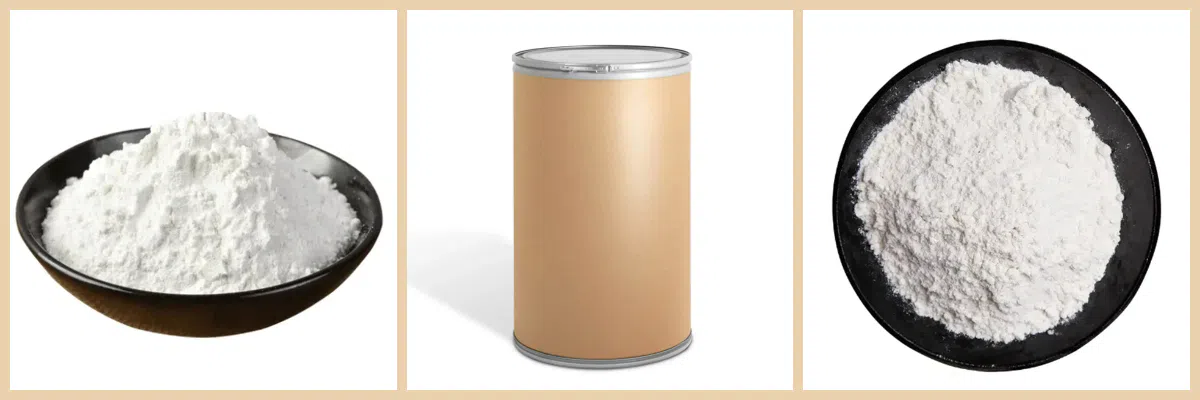
| form | powder |
| color | White |
| Odor | Odorless |
| Water Solubility | Soluble in water. |
| Merck | 138564 |
| Dielectric constant | 2.0(Ambient) |
| Stability: | Stable. |
| Cosmetics Ingredients Functions | ANTICAKING |
| VISCOSITY CONTROLLING | |
| OPACIFYING | |
| ABRASIVE | |
| BULKING | |
| ABSORBENT | |
| InChI | InChI=1S/H2O3Si/c1-4(2)3/h1-2H |
| InChIKey | IJKVHSBPTUYDLN-UHFFFAOYSA-N |
| SMILES | [Si](O)(O)=O |
| CAS DataBase Reference | 1343-98-2(CAS DataBase Reference) |
| EPA Substance Registry System | Silicic acid (1343-98-2) |
| Hazard Codes | Xi |
| Risk Statements | 36/37 |
| Safety Statements | 22-26-36-24/25 |
| WGK Germany | 3 |
| RTECS | VV8853000 |
| TSCA | Yes |
Product Application
Silicic acid hydrate is widely used in scientific research related to neurodegenerative diseases because it can reduce the aluminum absorption. It is also employed in the production of catalysts and catalyst carriers, serving as an important functional material in industrial processes. Furthermore, Silicic acid hydrate can be used as a chemical reagent, as a flux in the manufacture of tungsten filament, and in the decolorization treatment of oils and waxes.
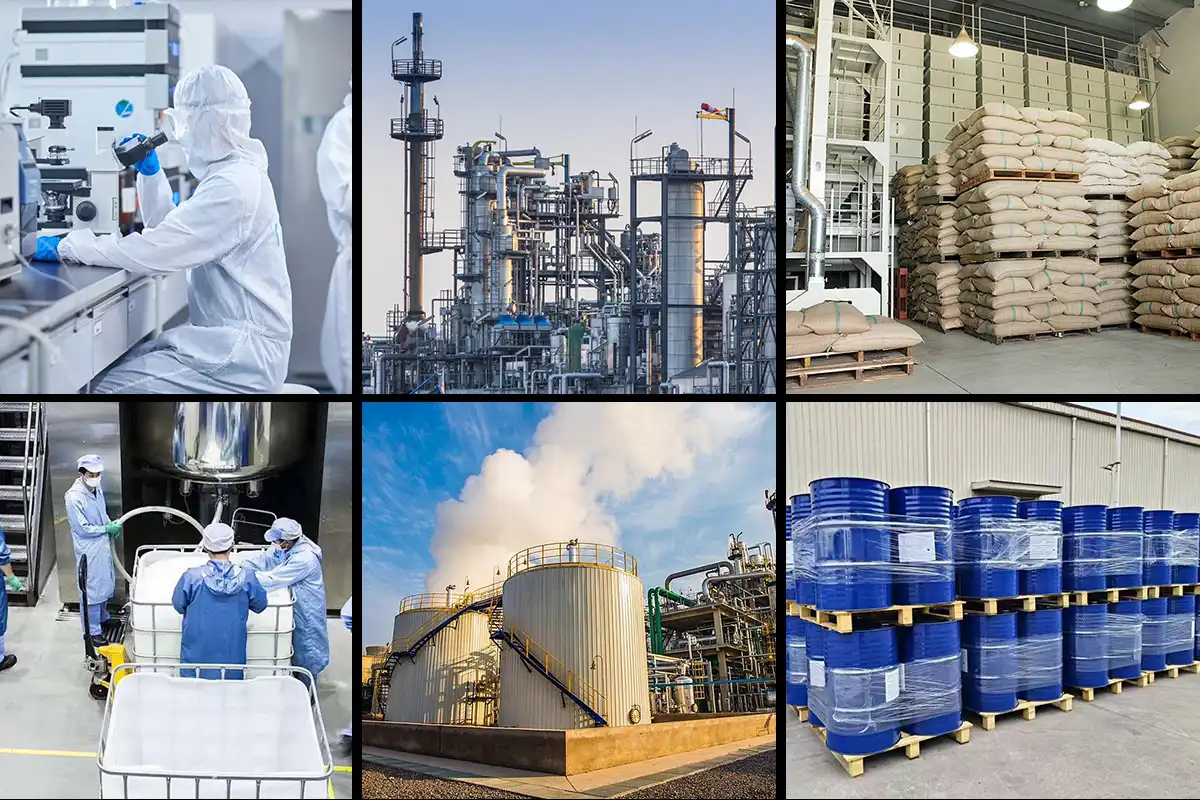
Factory and Equipment Show