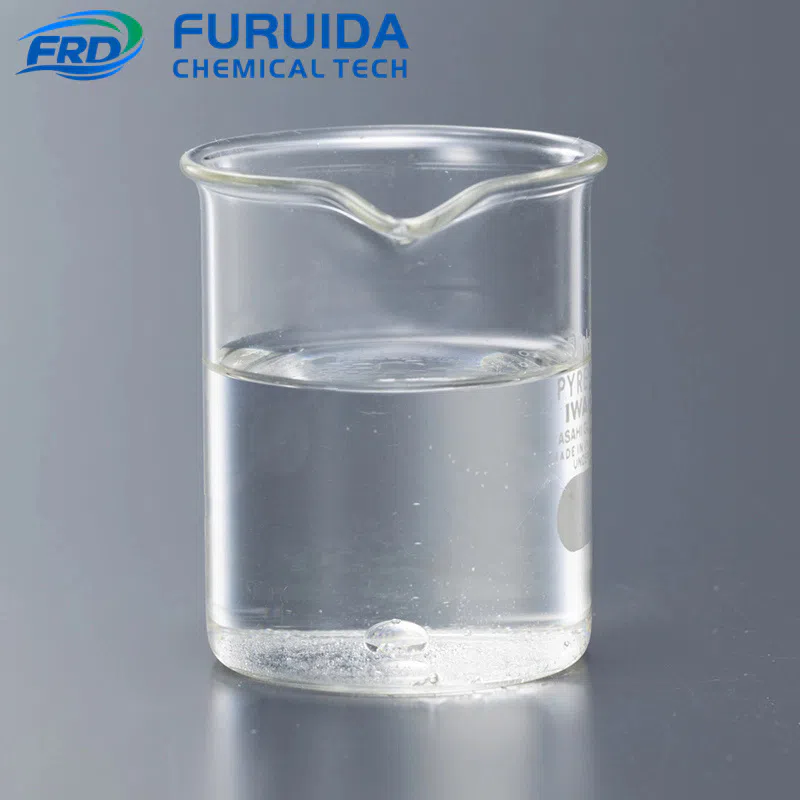
Product Description of Glycerine CAS#56-81-5
Glycerine is a fundamental organic raw material with a wide range of applications across industry, medicine, and daily life, and it is currently associated with nearly 1,700 different uses. It is primarily utilized in pharmaceuticals, cosmetics, alkyd resins, tobacco, food products, acid resins, celluloid, explosives, and textile printing and dyeing.
Although Glycerine consumption in traditional sectors such as alkyd resins, celluloid, and explosives is gradually declining, demand for it in pharmaceutical, cosmetic, and food applications continues to rise steadily. Once hydrolysis occurs within the human body, Glycerine can serve as a nutritional energy source. Additionally, it is widely used in industries including textiles, food processing, papermaking, metal processing, coatings, daily chemical products, petrochemicals, pharmaceuticals, tobacco, and military-related industries.
Chemical Properties
| Density | 1.25 |
| Melting point | 18℃ |
| Boiling point | 290℃ |
| Refractive index | 1.452-1.475 |
| Flash Point | 160℃ |
| Vapour Pressure | 0.0±1.3 mmHg at 25°C |
| Form | Viscous Liquid |
| Precise Quality | 92.0473 |
| PSA | 60.69 |
| logP | -1.6681 |
| Solubility | >500 g/L (20 oC) |
| Viscosity | 954 CENTIPOISES AT 25 DEG C; 17 CENTIPOISES AT 25 DEG C (70% SOLN) |
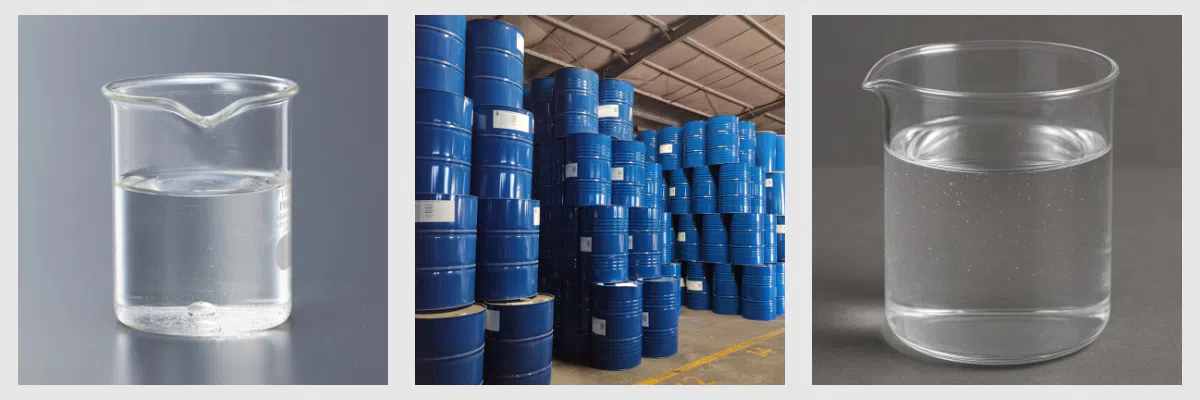
| Appearance | Clear, colorless, viscous liquid |
| Storage | ventilated, low temperature and dry |
| Autoignition Temperature | 698 °F (USCG, 1999) |
Safety Information
Reactivity with Water: None;
Reactivity with Common Materials: None;
Transport Stability: Stable;
Neutralization for Acids or Alkalis: Not applicable;
Polymerization: Not applicable;
Polymerization Inhibitors: Not required.
This substance appears as a colorless to brownish liquid. It is combustible, though ignition may require sustained effort. The presence of residual sodium hydroxide (lye) in crude material can make it corrosive to metals and biological tissue.
Glycerin is classified as a GRAS (Generally Recognized as Safe) substance for human food use when applied in accordance with good manufacturing practices. It is also recognized as safe for use as a general-purpose food additive in animal drugs, feeds, and related products when used in compliance with appropriate manufacturing or feeding standards.
Product Applications
Glycerine is a vital organic chemical raw material widely used across many industries. It serves effectively as a humectant, antifreeze, lubricant, solvent, and co-solvent, and is a key ingredient in the production of polyesters, explosives, pharmaceuticals, and other products.
In the food industry, Glycerine is commonly used as a moisture-retaining agent in bread and cakes, as a solvent carrier for flavors, colorants, and water-insoluble preservatives, as a thickening agent in the production of beverages and wine, and as a plasticizer in candies, desserts, and processed meat products.
It also functions as a coloring aid in colored foods. Additionally, Glycerine is widely used as a lubricant for food processing and packaging equipment, and serves as a softener, viscosity enhancer, and solvent in pharmaceutical and cosmetic production.
Factory and Equipment Show