Products Description
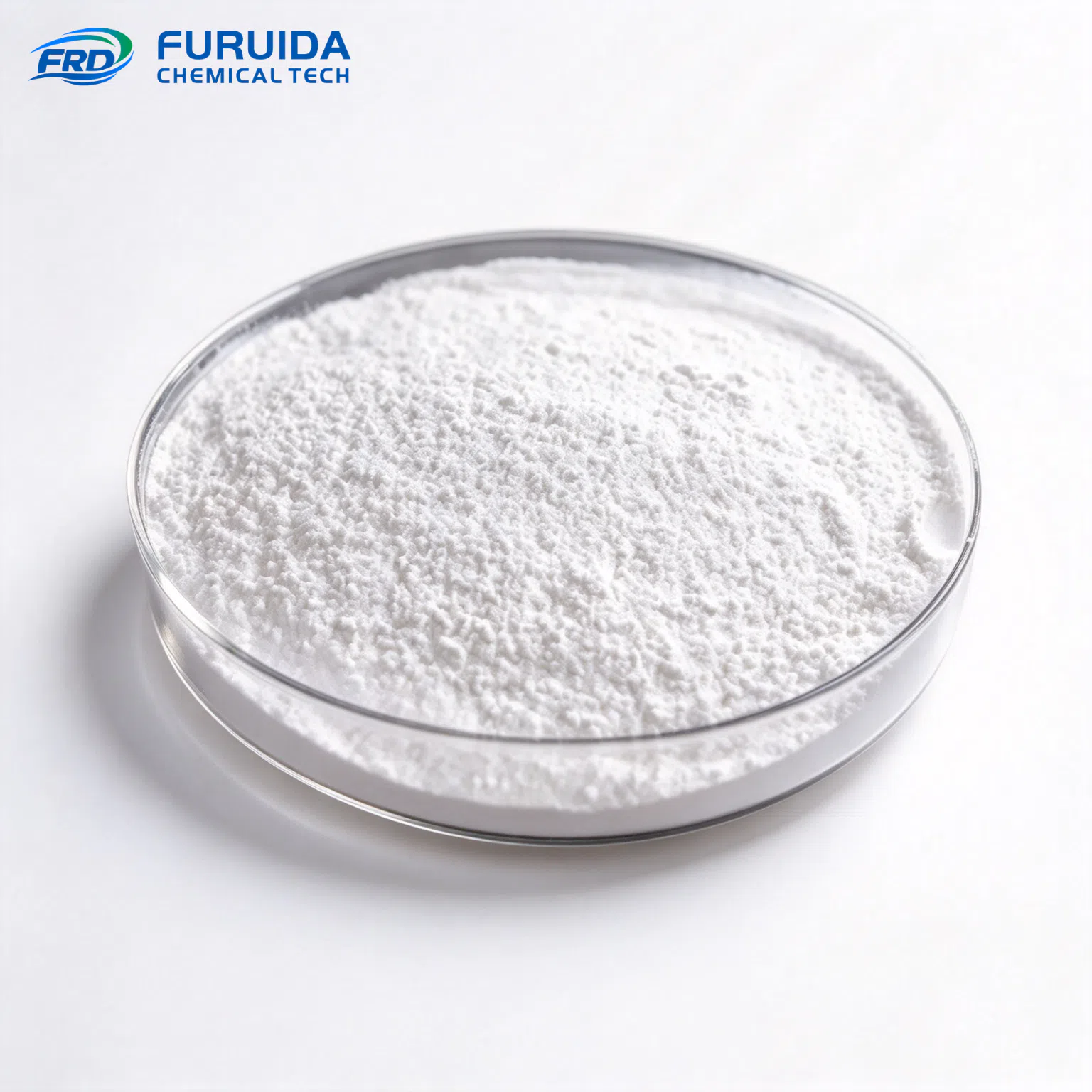
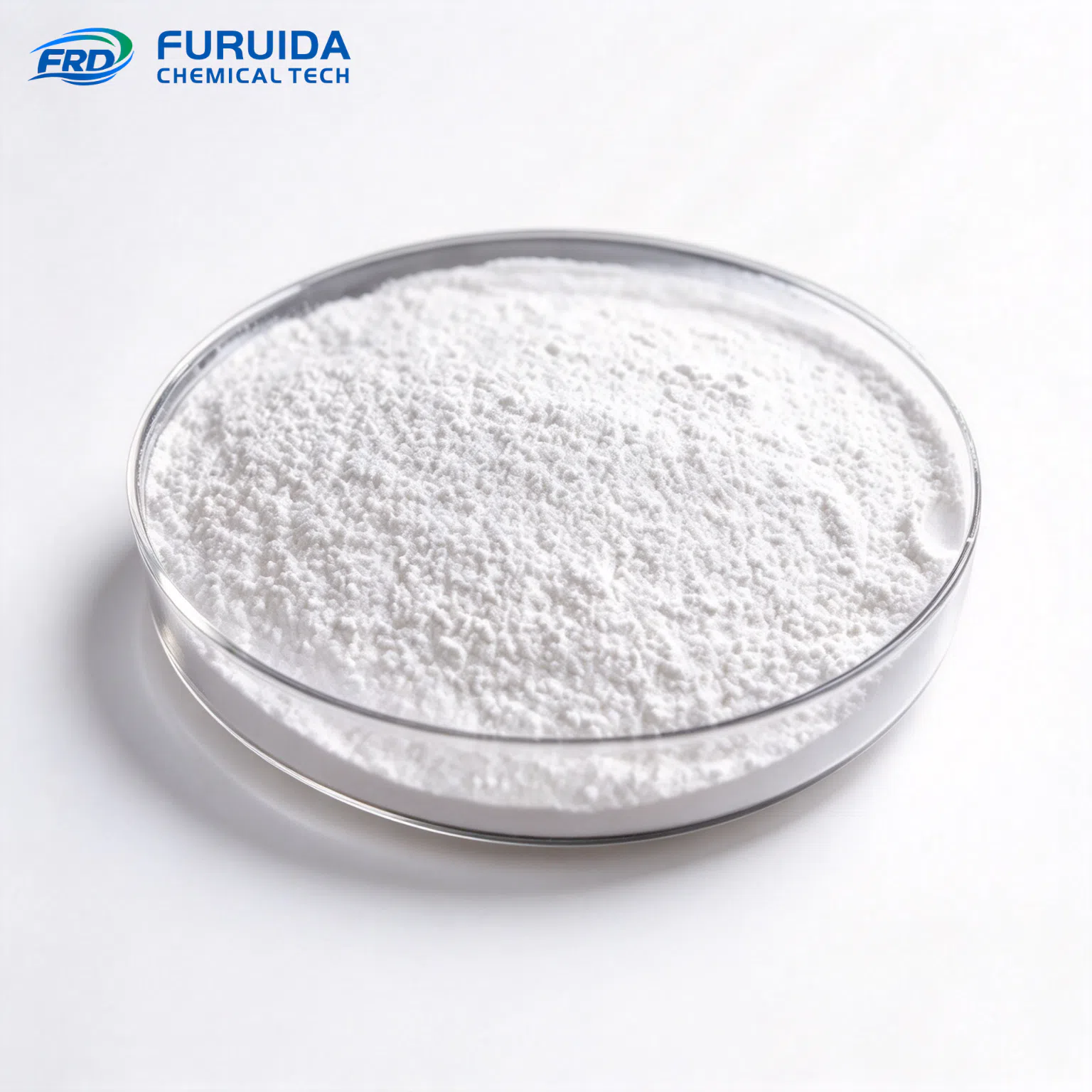
Polyvinyl alcohol (PVA) appears as white‑colored solids available in powder, flake or flocculent forms, with a glass‑transition temperature ranging from 60 °C to 85 °C. Abundant hydroxyl groups within its molecular structure endow PVA with strong polarity, enabling hydrogen‑bond formation with water molecules and granting water‑soluble characteristics. Furthermore, PVA is soluble in hot hydroxyl‑bearing solvents such as glycerol and phenol. Nevertheless, it remains insoluble in conventional organic solvents including methanol, benzene, acetone and gasoline.
Products Chemical Properties
| Melting point | >300 °C |
| Boiling point | -14.5°C (rough estimate) |
| density | 1.080 g/cm3 |
| Tg | 73 |
| Tg | 99 |
| Tg | 99°C |
| bulk density | 400-670kg/m3 |
| refractive index | 1.3810 (estimate) |
| Fp | 79°C |
| storage temp. | Store below +30°C. |
| solubility | H2O: soluble (hot) |
| form | Solid |
| color | White to off-white |
| Odor | at 100.00?%. odorless |
| PH | 3.5-7.0 (40g/l, H2O, 20℃) |
| Water Solubility | soluble in hot water |
| Merck | 14,7585 |
| Dielectric constant | 1.9(Ambient) |
| Stability: | Stable. Combustible. Dust may form explosive mixtures with air. Incompatible with strong oxidizing agents. |
| NIST Chemistry Reference | Polyvinyl alcohol(9002-89-5) |
| IARC | 3 (Vol. 19, Sup 7) 1987 |
| EPA Substance Registry System | Polyvinyl alcohol (9002-89-5) |
Safety Information
| Hazard Codes | Xn |
| Risk Statements | 23/24/25-36/38-39/23/24/25-68/20/21/22-20/21/22 |
| Safety Statements | 26-36/37-45-24/25 |
| WGK Germany | 1 |
| RTECS | TR8100000 |
| Autoignition Temperature | 450 °C |
| TSCA | Yes |
| HS Code | 39053000 |
| Hazardous Substances Data | 9002-89-5(Hazardous Substances Data) |
| Toxicity | LD50 orally in Rabbit: > 20000 mg/kg |
Product Application
It is mainly used in the textile industry for warp sizing, fabric finishing agents, and raw materials for vinylon fibers; in the building and decoration industry for 107 glue, interior and exterior wall coatings, and adhesives; in the chemical industry as polymer emulsifiers, dispersants, and raw materials for polyvinyl alcohol acetal, formal, and butyral resins; in the papermaking industry as paper adhesives; in agriculture as soil conditioners, pesticide adhesion enhancers, and polyvinyl alcohol films; and it can also be applied in daily cosmetics and high-frequency quenching agents.
Additionally, it is primarily utilized in the production of polyvinyl alcohol acetal, gasoline-resistant pipelines, vinylon fibers, emulsifiers, dispersants, adhesives, fabric treatment agents, binding adhesives, packaging films, and medical materials and products.
Its common applications also include adhesives, laminating agents, fabric treatments, paper sizing agents, thickeners, stabilizers, and emulsifiers, as well as warp sizing, emulsion stabilizers, rewettable adhesives, and water-soluble films.
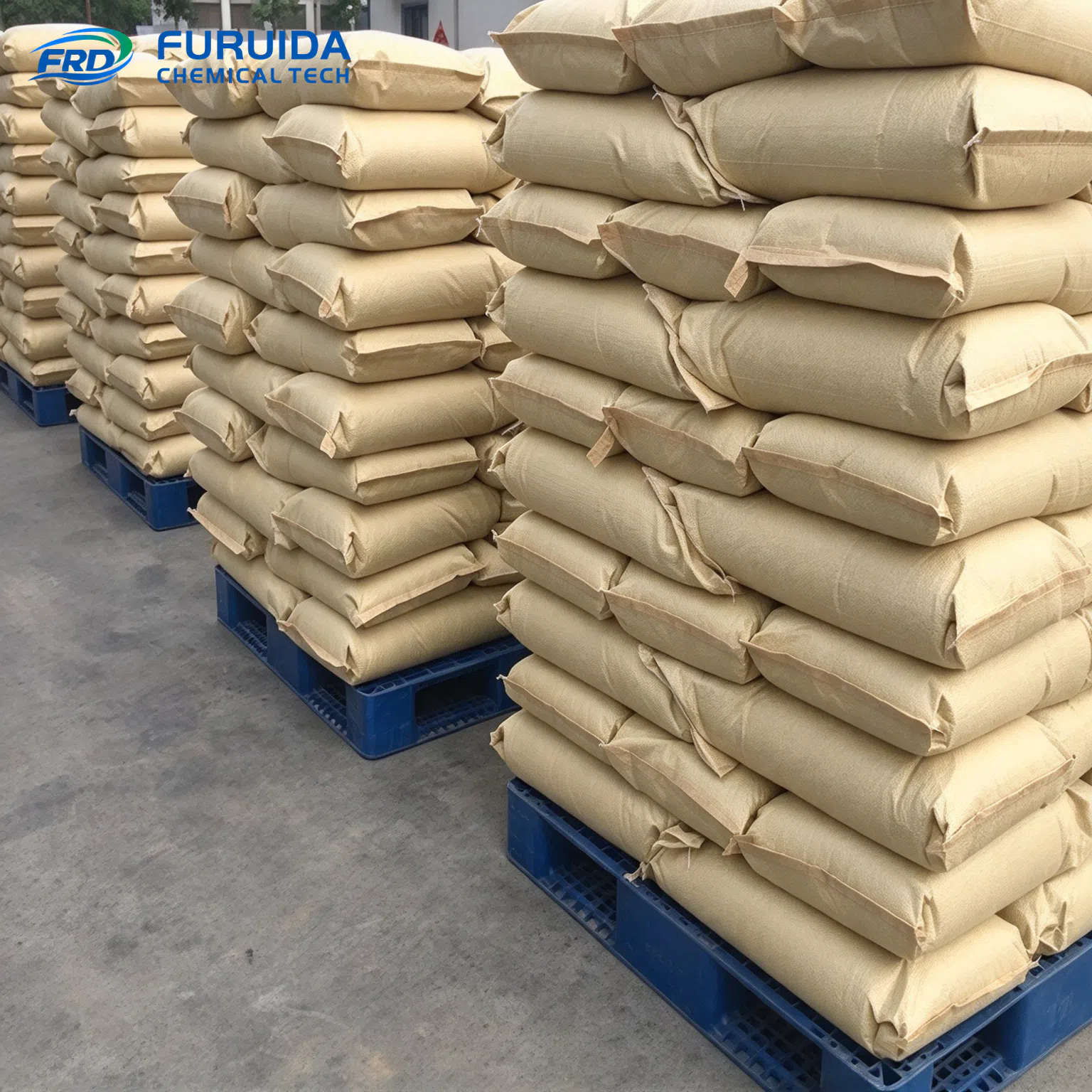
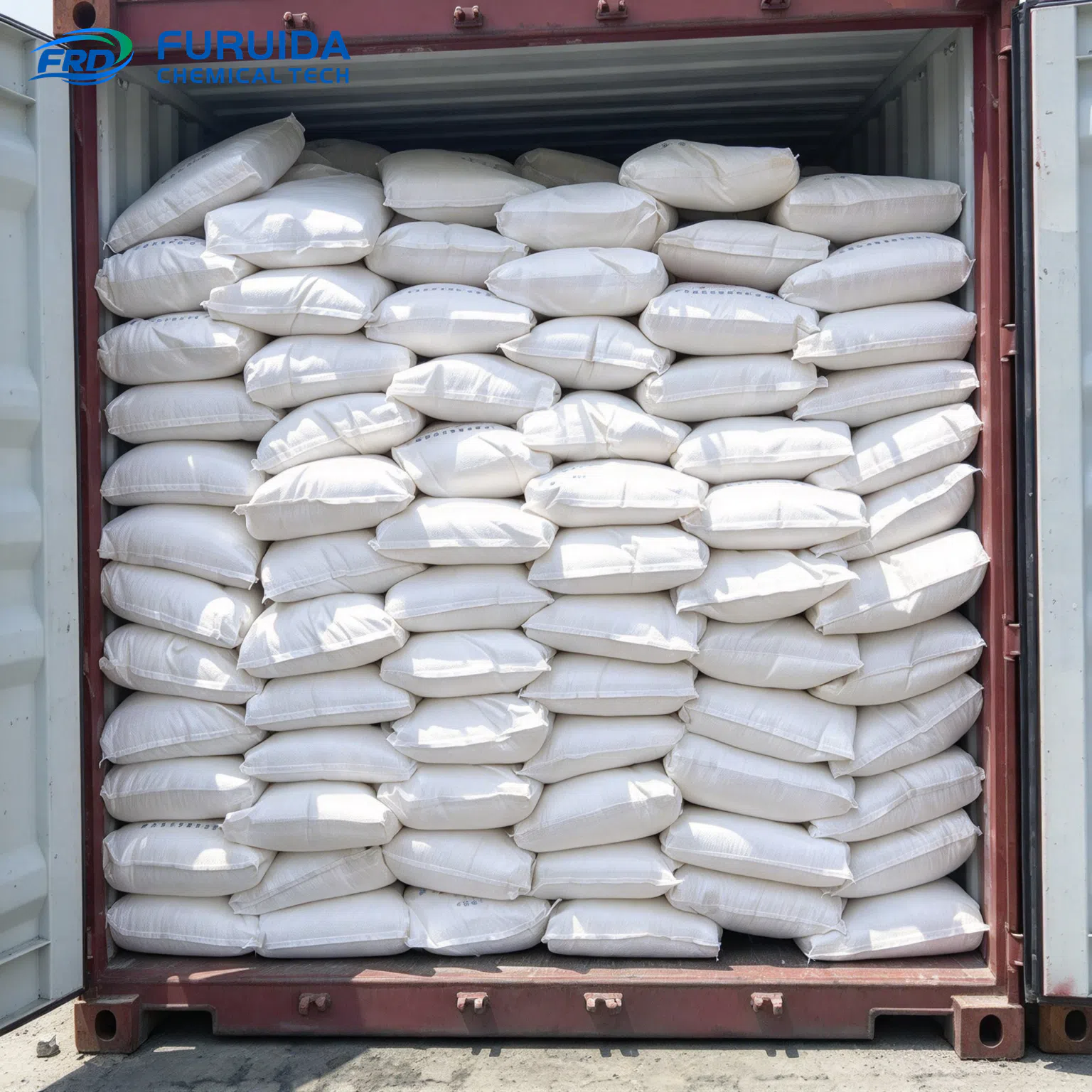
Company Profile
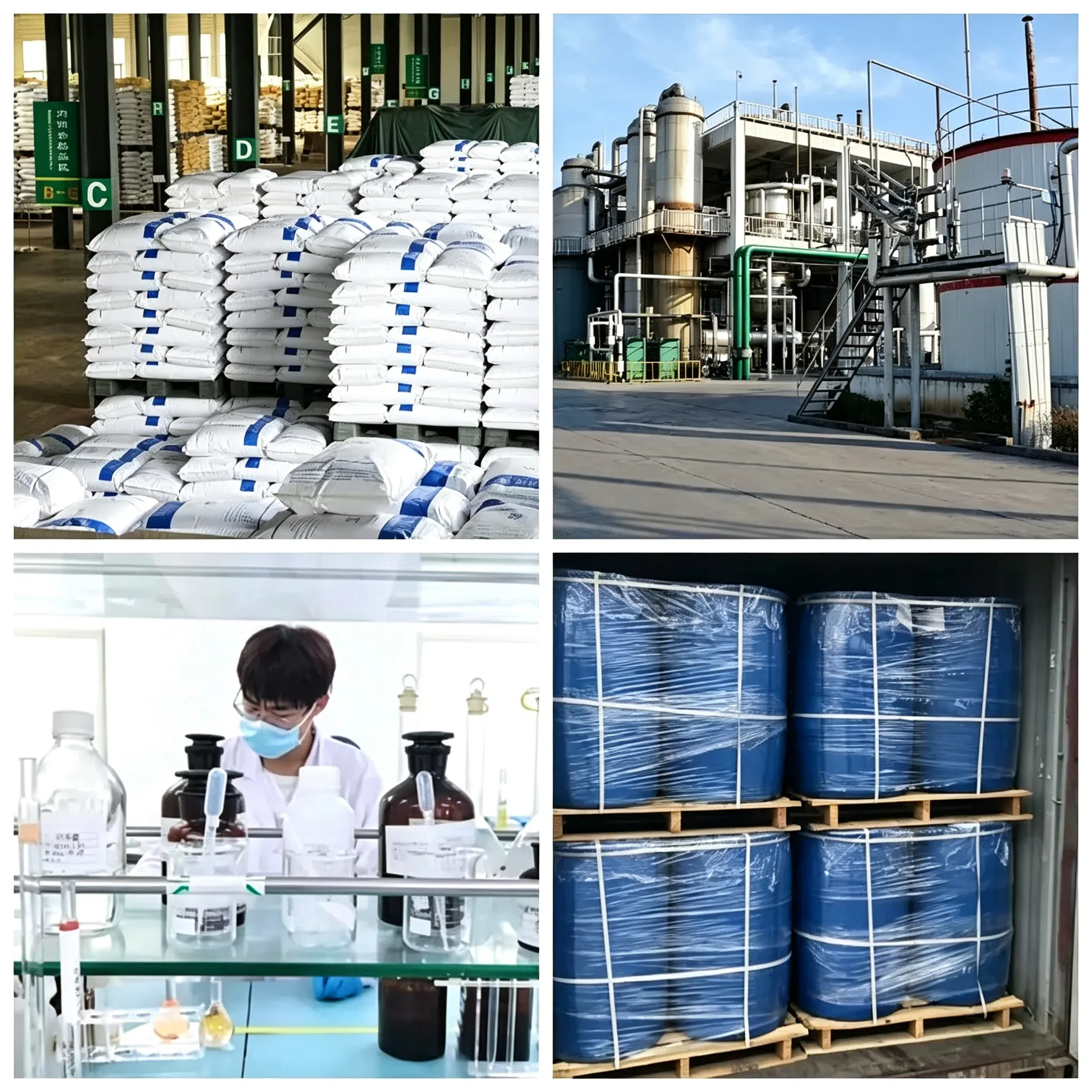
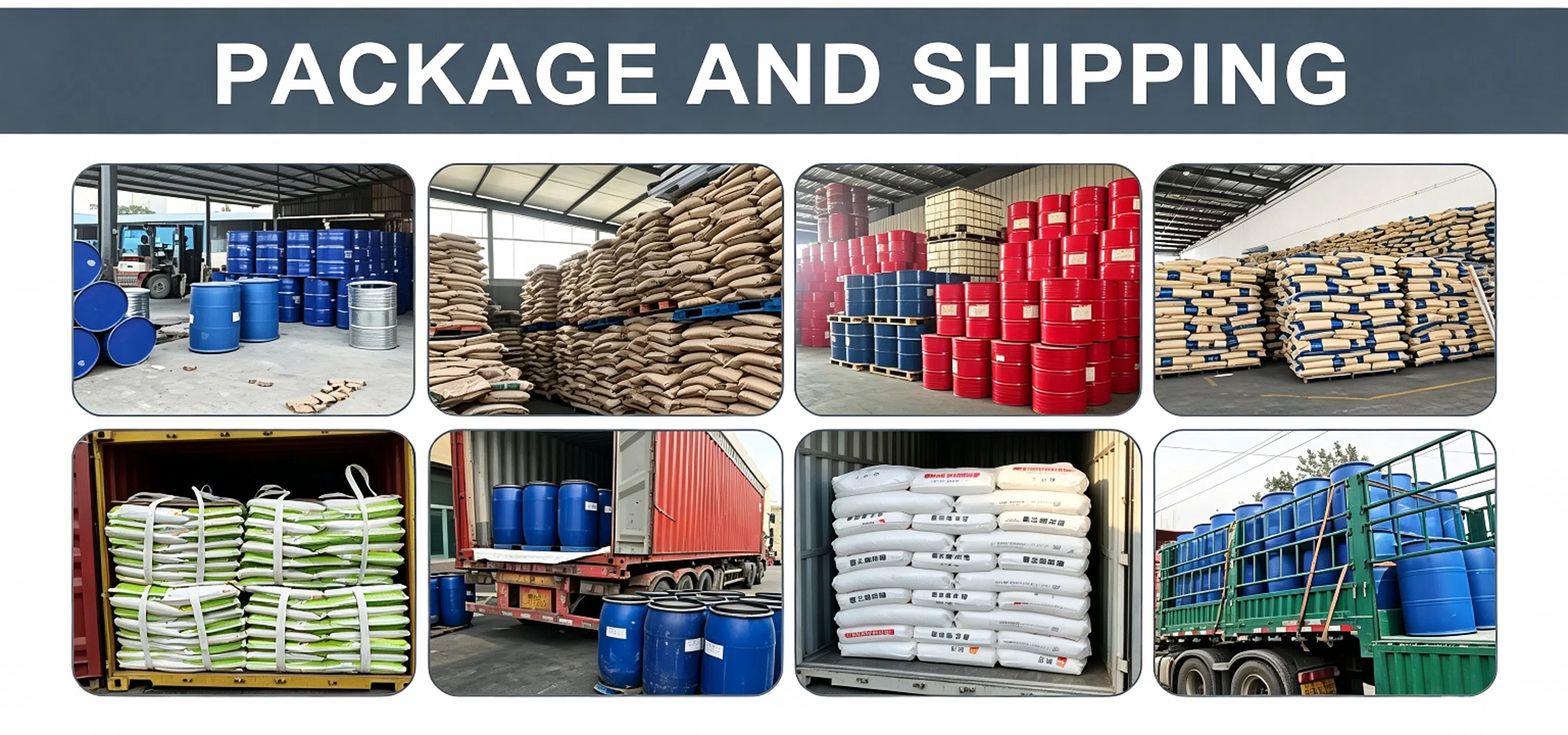
Furuida (Jinan) Chemical Technology Co., Ltd. began in Shandong, China, and grew into a modern fine chemical enterprise. Today, it integrates R&D, production, sales, and global services. Its focus: new chemical materials. Its values: integrity, quality, customer-first service. Its method: continuous innovation and strict quality management. Its direction: internationalization, higher operational standards, stronger brand reputation.
With an experienced foreign trade and technical support team, a mature global supply network, and resilient supply chain, it reaches annual sales above RMB 600 million and serves over 5,000 industrial clients. Its markets stretch across Asia, Europe, Africa, and Oceania.
Its portfolio spans pharmaceutical intermediates and raw materials, food additives, electroplating chemicals, water treatment agents, dye auxiliaries, functional materials, titanium compounds, metal salts, catalysts, and surfactants. Its products support pharmaceuticals, electronics, coatings, rubber and plastics, fine chemicals, and water treatment. Its promise: reliable, cost-effective chemical solutions and comprehensive one-stop services.