Microcrystalline Wax CAS#8001-75-0
Microcrystalline Wax is a refined mixture of solid saturated aliphatic hydrocarbons obtained from petroleum residues through solvent separation, dewaxing, and deoiling processes. Unlike paraffin wax, which consists mainly of linear alkanes, microcrystalline wax contains a high proportion of branched isoparaffins and cycloparaffins, resulting in a fine crystalline structure.
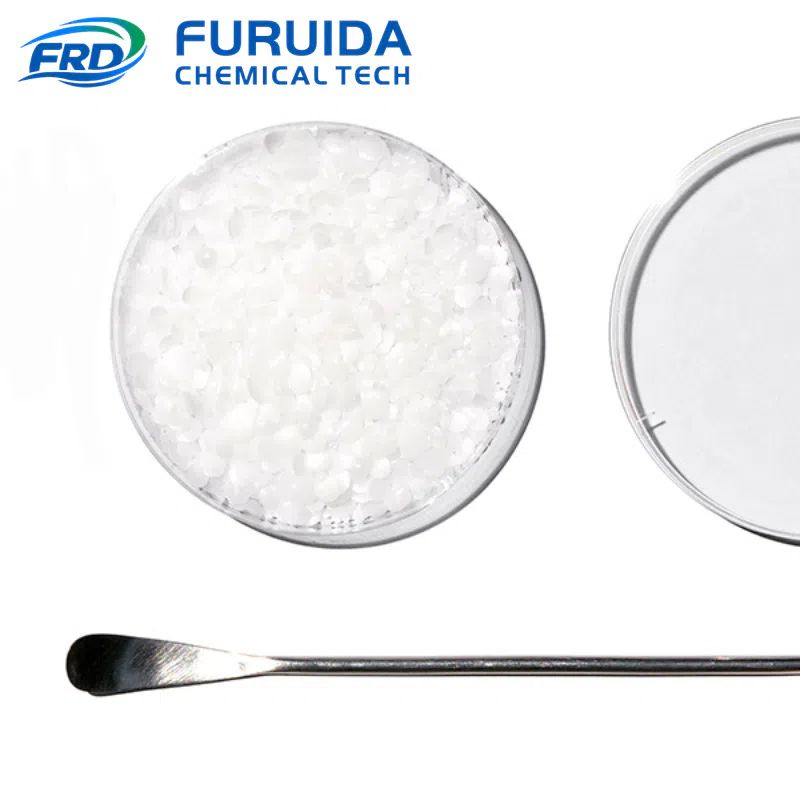
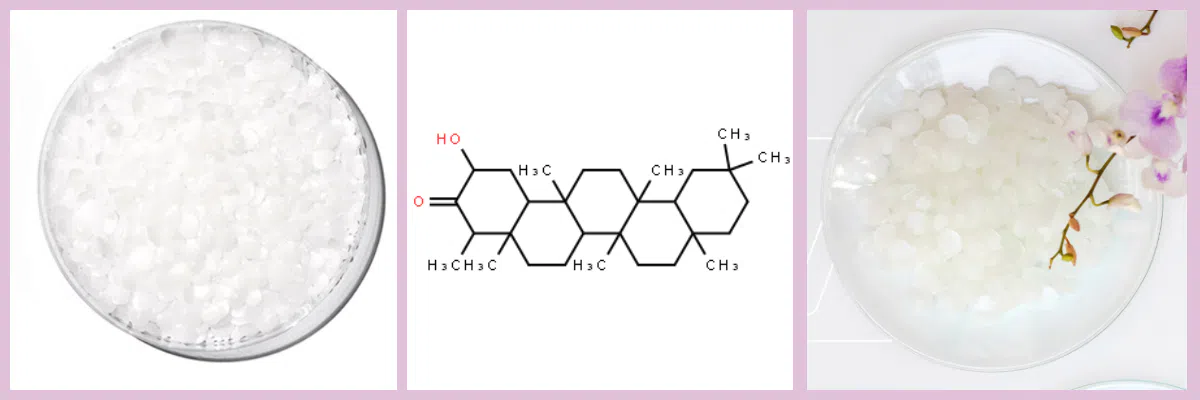
This fine-grained crystal structure gives microcrystalline wax superior flexibility, plasticity, and oil-binding capacity compared to paraffin wax. It is tougher, more flexible, and generally has a higher melting point and molecular weight (typically 500–800 g/mol, C30–C60 range). The product is solid at room temperature and is commonly supplied in slab, granule, or pellet form.
Key characteristics:
Excellent flexibility and resistance to brittleness at low temperatures
Strong oil retention (prevents oil migration/sweating)
Higher melting point and viscosity than paraffin wax
Good adhesion and gel strength
Non-hazardous for transport (solid at room temperature)
Chemical Properties
| English Name | Microcrystalline Wax |
| CAS No. | 8001-75-0 |
| EINECS No. | 232-455-8 |
| Appearance | White to yellow solid (slabs, granules, or pastilles) |
| Melting Point (Drop) | 67 – 92 °C (varies by grade, e.g., 70#, 80#, 85#) |
| Penetration (25°C) | 2 – 35 (1/10 mm) |
| Kinematic Viscosity (100°C) | 6 – 18 mm²/s |
| Oil Content | ≤ 3.0% (typical) |
| Color (Saybolt) | ≤ 4.0 |
| Molecular Weight | Approx. 500 – 800 g/mol |
| Flash Point (COC) | ≥ 277 °C |
| Solubility | Insoluble in water; soluble in organic solvents |
| Storage | Cool, dry, well-ventilated area |
| Transport Classification | Non-hazardous (solid at room temperature) |

Product Application
Hot-Melt Adhesives: Improves flexibility, adhesion, and heat resistance. Used in packaging and bookbinding.
Cosmetics & Personal Care: Used in lipsticks, creams, and ointments to bind oils and prevent oil migration.
Rubber & Tires: Acts as an anti-cracking agent and processing aid, improving ozone resistance.
Coatings & Inks: Provides slip, abrasion resistance, and moisture barrier properties.
Candles: Blended with paraffin to increase hardness and reduce brittleness.
Food Packaging: Food-grade grades are used as coatings or components in food-contact materials.
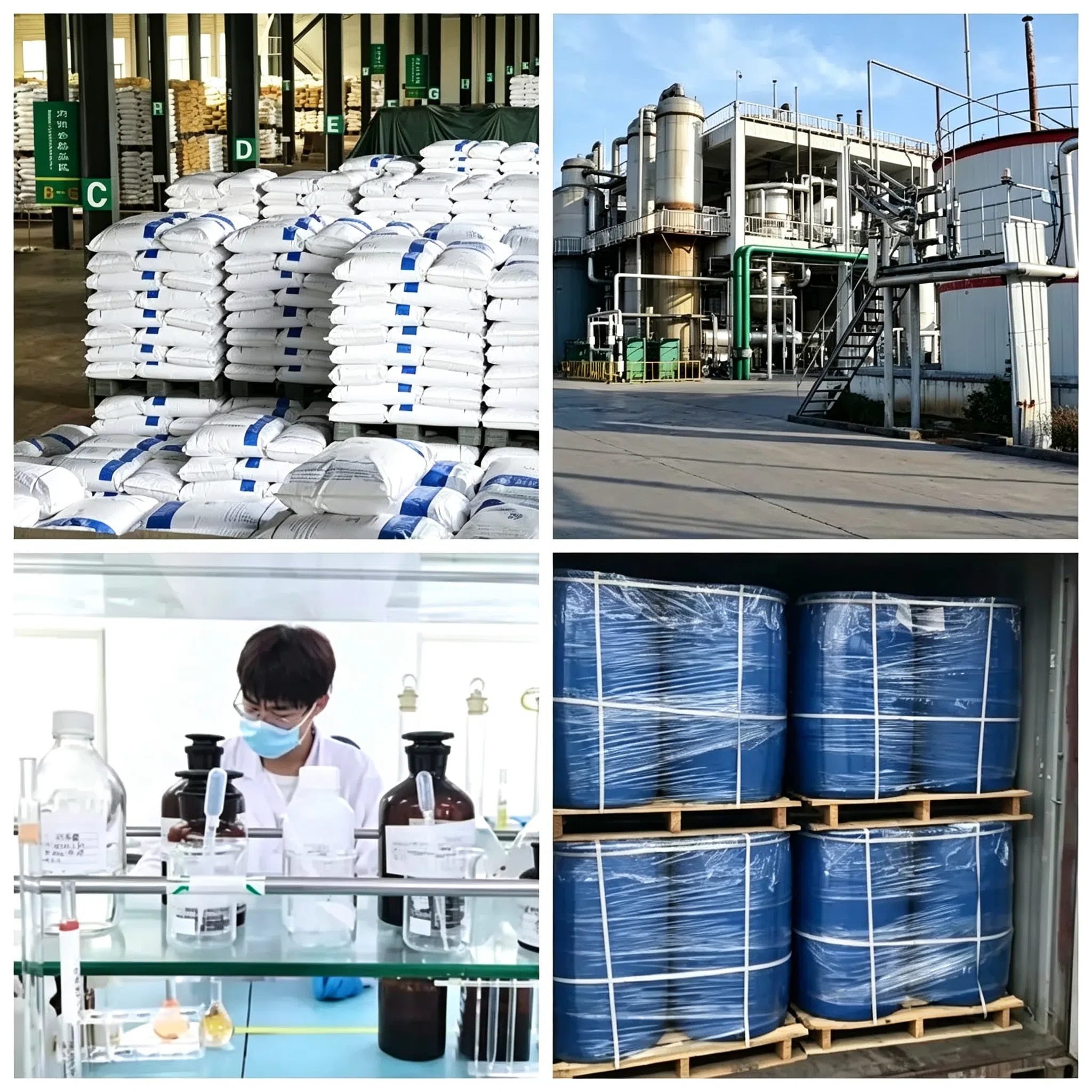
Factory and Equipment Show