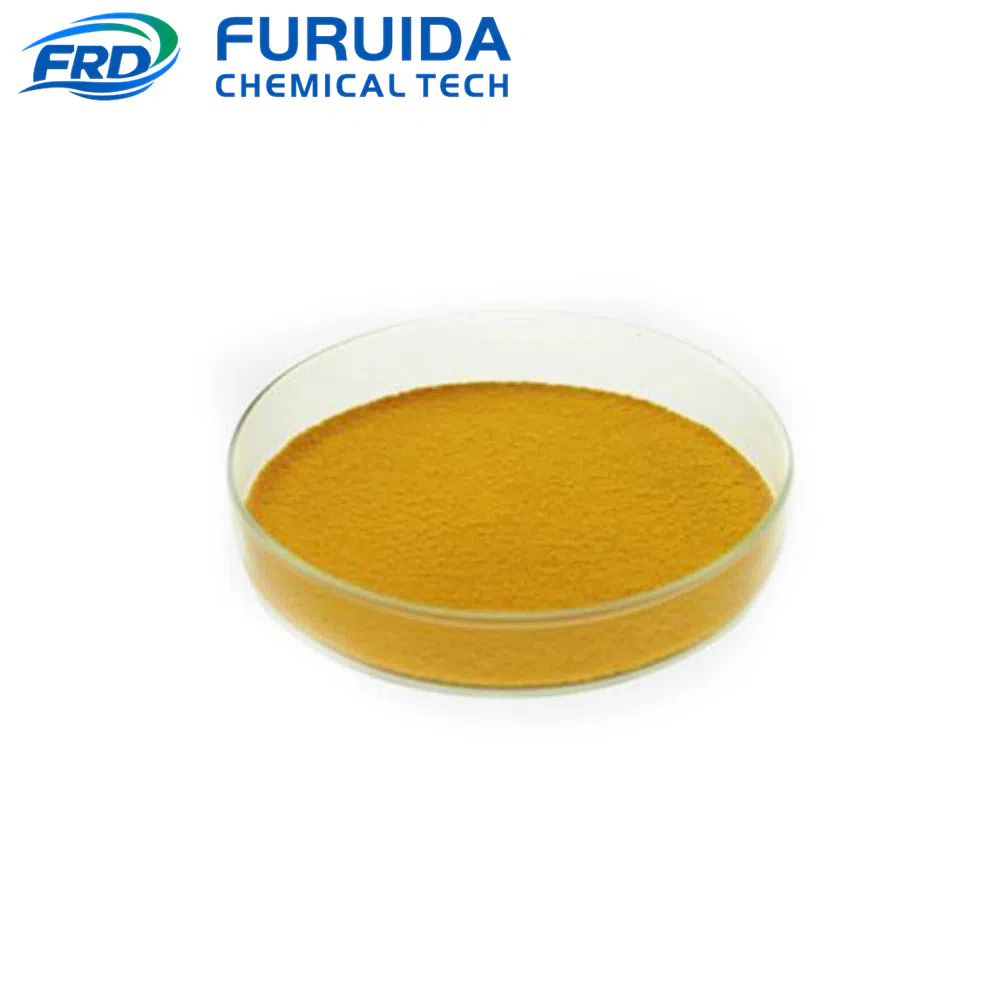
Product Description of Curcumin CAS#458-37-7
Curcumin is the primary yellow pigment found in turmeric and curry, known for its antioxidant, anti-inflammatory, and antitumor properties. It effectively inhibits nitric oxide (NO) production (IC50 = 6 μM) and reduces the activity of inducible nitric oxide synthase (iNOS) in LPS-stimulated RAW 264.7 cells. Additionally, curcumin inhibits the release of histamine and inflammatory cytokines, including TNF-α, IL-1β, IL-6, and IL-8, from HMC-1 mast cells.
In vivo studies demonstrate that curcumin lowers serum levels of histamine and TNF-α, prevents histopathological changes in the nasal mucosa, and reduces sneezing and nose-rubbing behaviors in mouse models of ovalbumin-induced rhinitis. Furthermore, curcumin (100 or 200 mg/kg) inhibits the accumulation of 3-nitrotyrosine (3-NT), a marker of oxidative stress, in mouse hearts. Topical application (1 to 10 μmol) reduces the number of tumors induced by phorbol 12-myristate 13-acetate (TPA) on mouse skin, while dietary administration reduces tongue neoplasms and preneoplastic lesions induced by 4-nitroquinoline 1-oxide (4-NQO) in rats.
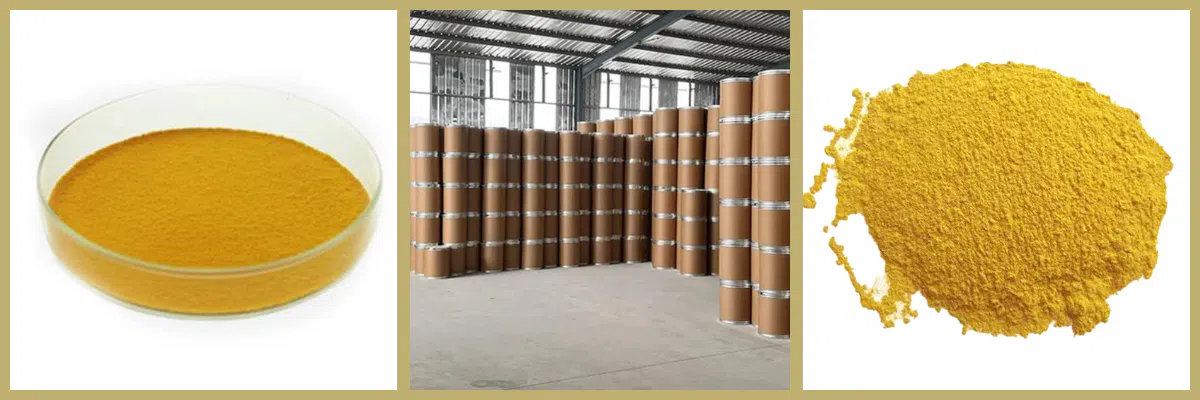
Chemical Properties
| Melting point | 183 °C |
| Boiling point | 418.73°C (rough estimate) |
| Density | 0.93 |
| Vapor density | 13 (vs air) |
| Refractive index | 1.4155-1.4175 |
| Fp | 208.9±23.6 °C |
| Storage temp | 2-8°C |
| Solubility | ethanol: 10 mg/mL |
| Pka | 8.09(at 25℃) |
| Form | powder |
| Colour Index | 75300 |
| Color | orange |
| Odor | Odorless |
| PH Range | Yellow (7.8) to red-brown (9.2) |
| biological source | Curcuma longa (Turmeric) |
| Water Solubility | Slightly soluble (hot) |
| λmax | 430nm |
| Merck | 142,673 |
| BRN | 2306965 |
| Concentration | 1 mCi/ml |
| Solvent | Ethanol |
| Specific Activity | 5-15 Ci/mmol |
| Stability | Stable, but may be light sensitive. Incompatible with strong oxidizing agents. |
| Major Application | Cosmetics, drug-eluting stents, inhibition of formation of skin-wrinkles, treating alzheimer’s disease, skin diseases, coronary restenosis, diabetes, obesity, leukemia, neurofibromas, cancer, antimicrobial, antiviral, antiinflammatory, antiprostate cancer |
| InChIKey | VFLDPWHFBUODDF-FCXRPNKRSA-N |
| LogP | 3.290 (est) |
| CAS DataBase Reference | 458-37-7(CAS DataBase Reference) |
| EPA Substance Registry System | Curcumin (458-37-7) |
Safety Information
| Hazard Codes | Xi |
| Risk Statements | 36/37/38 |
| Safety Statements | 26 |
| WGK Germany | 3 |
| RTECS | MI5230000 |
| Hazard Note | Irritant |
| TSCA | Yes |
| HS Code | 29145000 |
| Hazardous Substances Data | 458-37-7(Hazardous Substances Data) |
| Toxicity | LD50 Oral-Rat-12.200 mg/kg |
Product Application of Curcumin CAS#458-37-7
Curcumin is a natural phenolic compound that exhibits potent anti-tumor, anti-inflammatory, and antioxidant effects. It can induce apoptosis in cancer cells and inhibit phorbol ester-induced protein kinase C (PKC) activity. Curcumin has been reported to suppress the production of inflammatory cytokines by peripheral blood monocytes and alveolar macrophages. It is a potent inhibitor of EGFR tyrosine kinase and IκB kinase, and also inhibits inducible nitric oxide synthase (iNOS), cyclooxygenase, and lipoxygenase.
Curcumin readily penetrates the cytoplasm and accumulates in membranous structures, such as the plasma membrane, endoplasmic reticulum, and nuclear envelope, thereby enhancing its biological activity.