Products Description
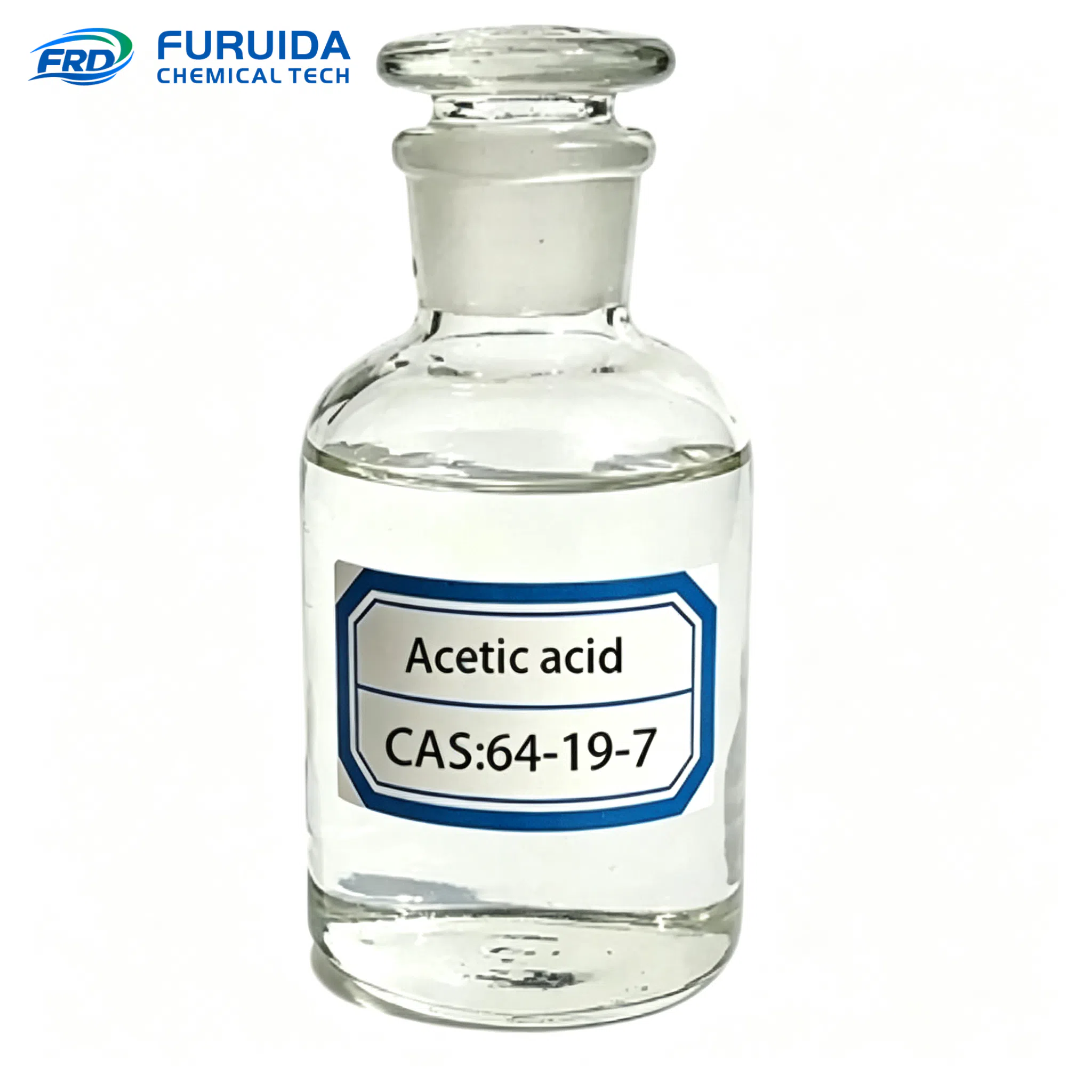
Acetic acid, also known as ethanoic acid (abbreviated as AcOH), is a key fatty acid best‑known as the primary active constituent of vinegar. It occurs naturally across numerous plant species, existing either in its free state or in the form of esters, with the molecular formula CH₃COOH.
Vinegar has been brewed and utilised for thousands of years, and historical documentation records vinegar‑making practices dating back to ancient China. Concentrated acetic acid was first successfully synthesised by Stahl in 1700. In its pure form, acetic acid is a colourless liquid with a sharp, pungent odour. It features a melting point of 16.6 °C, a boiling point of 117.9 °C, and a relative density of 1.049 (20/4 °C). This compound is miscible with water, ethanol, glycerol, and ether, as well as soluble in carbon tetrachloride, while it is insoluble in carbon disulfide.
Upon cooling, anhydrous acetic acid crystallises into a solid substance resembling ice, hence the common name glacial acetic acid. The substance is corrosive. Classified as a weak organic acid, it exhibits typical acidic chemical behaviours and is capable of participating in esterification reactions when reacted with alcohols.
Products Chemical Properties
| Melting point | 16.2 °C(lit.) |
| Boiling point | 117-118 °C(lit.) |
| density | 1.049 g/mL at 25 °C(lit.) |
| vapor density | 2.07 (vs air) |
| vapor pressure | 11.4 mm Hg ( 20 °C) |
| refractive index | n20/D 1.371(lit.) |
| FEMA | 2006 | ACETIC ACID |
| Fp | 104 °F |
| storage temp. | Store below +30°C. |
| solubility | alcohol: miscible(lit.) |
| form | Solution |
| pka | 4.74(at 25℃) |
| Specific Gravity | 1.0492 (20℃) |
| color | colorless |
| Odor | Strong, pungent, vinegar-like odor detectable at 0.2 to 1.0 ppm |
| PH | 3.91(1 mM solution);3.39(10 mM solution);2.88(100 mM solution); |
| PH Range | 2.4 (1.0M solution) |
| Odor Threshold | 0.006ppm |
| Odor Type | acidic |
| explosive limit | 4-19.9%(V) |
| Water Solubility | miscible |
| λmax | λ: 260 nm Amax: 0.05 λ: 270 nm Amax: 0.02 λ: 300 nm Amax: 0.01 λ: 500 nm Amax: 0.01 |
| Merck | 14,55 |
| JECFA Number | 81 |
| BRN | 506007 |
| Henry's Law Constant | 133, 122, 6.88, and 1.27 at pH values of 2.13, 3.52, 5.68, and 7.14, respectively (25 °C, Hakuta et al., 1977) |
| Dielectric constant | 4.1(2℃) |
| Exposure limits | TLV-TWA 10 ppm ~25 mg/m3) (ACGIH, OSHA, and MSHA); TLV-STEL 15 ppm (37.5 mg/m3) (ACGIH). |
| Stability: | Volatile |
| LogP | -0.170 |
| CAS DataBase Reference | 64-19-7(CAS DataBase Reference) |
| NIST Chemistry Reference | Acetic acid(64-19-7) |
| EPA Substance Registry System | Acetic acid (64-19-7) |
| Hazard Codes | C,Xi |
| Risk Statements | 34-42-35-10-36/38 |
| Safety Statements | 26-36/37/39-45-23-24/25 |
| RIDADR | UN 1792 8/PG 2 |
| WGK Germany | 3 |
| RTECS | NN1650000 |
| F | 1-8-10 |
| Autoignition Temperature | 426 °C |
| TSCA | Yes |
| HazardClass | 8 |
| PackingGroup | II |
| HS Code | 29152100 |
| Hazardous Substances Data | 64-19-7(Hazardous Substances Data) |
| Toxicity | LD50 in rats (g/kg): 3.53 orally (Smyth) |
| IDLA | 50 ppm |
Product Application
As a major‑volume organic acid, acetic acid covers a wide array of core industrial usages. It serves as the feedstock for manufacturing vinyl acetate — an intermediate further converted into polyvinyl acetate for films, adhesives and vinylon fiber. It is also used to produce acetic anhydride, various acetate salts, and cellulose acetate for rayon textiles and motion‑picture film substrates.
When esterified with low‑molecular‑weight alcohols, it yields ester products widely adopted as solvents within the coatings sector. Additionally, it acts as a reaction solvent for para‑xylene oxidation to prepare terephthalic acid.
Within organic synthesis workflows, acetic acid participates in the manufacture of acetic anhydride, diethyl malonate, ethyl acetoacetate, halogen‑substituted acetic acids, acetylsalicylic acid (aspirin), as well as the 2,4‑D herbicide.
It is the raw material for producing multiple metal acetates including manganese, sodium, aluminium, zinc and cobalt acetates. These metal‑based derivatives find roles in dyeing and tanning processes as catalyst and additive materials. Specifically, aluminium acetate functions as a textile mordant and medical disinfectant, while sodium and potassium acetates are common biochemical buffering agents.
In the food‑processing field, acetic acid works as an acidulant and flavour enhancer. It can be diluted to 4‑5 % concentration and blended with flavouring agents to produce synthetic vinegar, featuring cost‑efficiency and short manufacturing cycles.
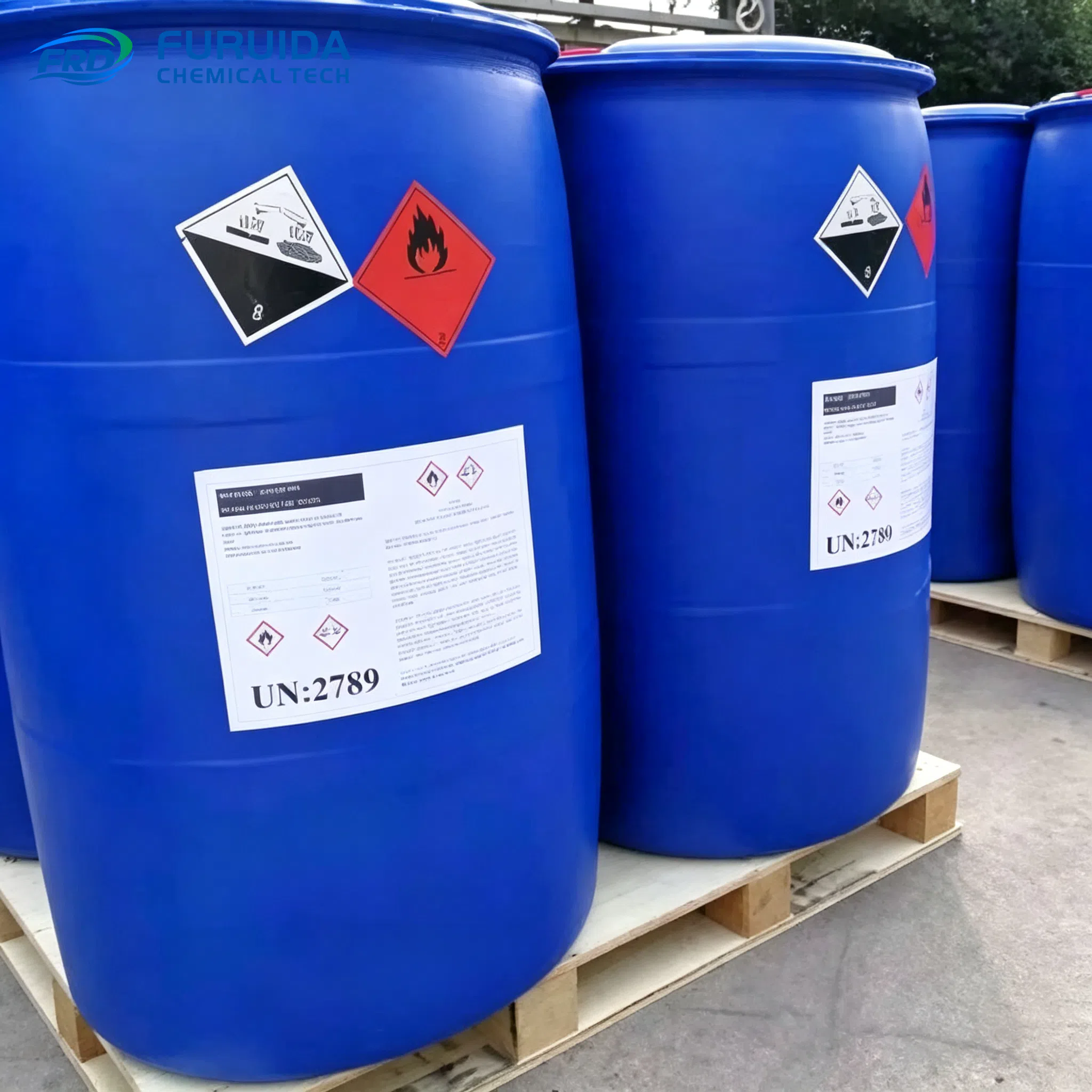
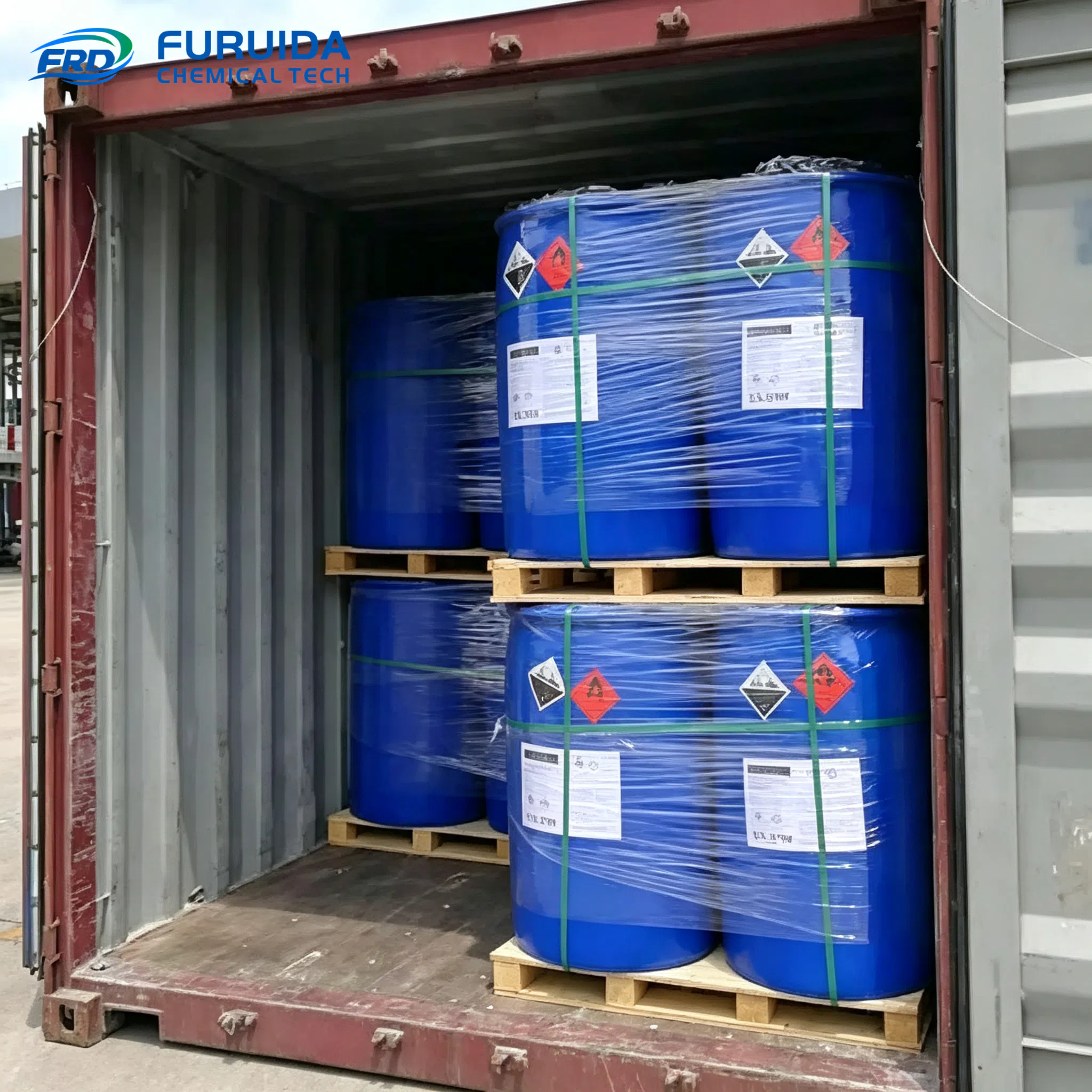
Safety Note: Acetic acid falls under GHS Skin Corrosion Category 1A and is strongly corrosive. Direct contact may trigger serious skin irritation and blistering. Rigorous personal protective measures shall be implemented throughout handling, storage and transportation operations.
Company Profile
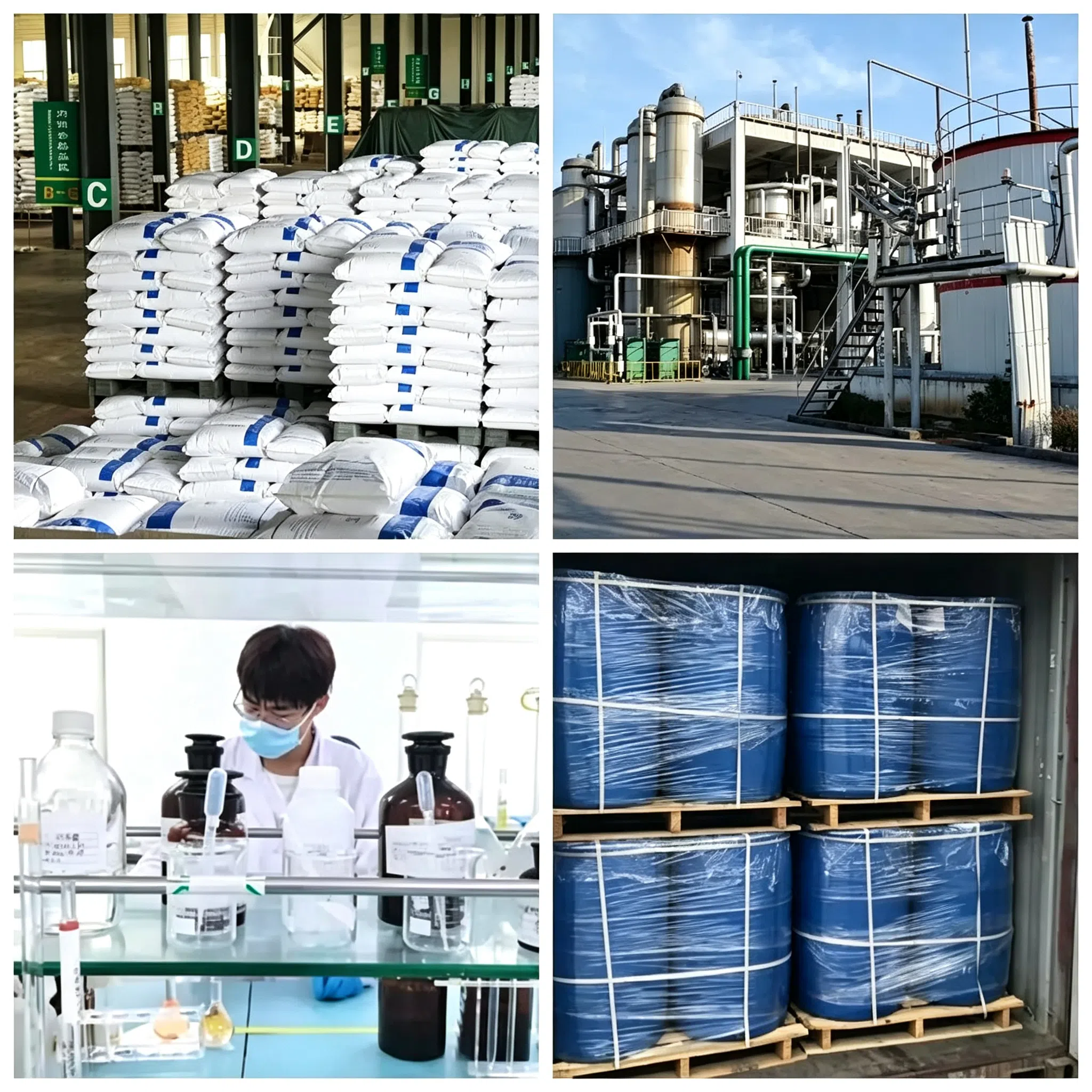
Furuida (Jinan) Chemical Technology Co., Ltd. — Shandong, China. Integrated fine chemical platform: R&D, production, sales, global service. Focus: new chemical materials. Values: integrity, quality, customer-first service. Growth levers: innovation, strict quality management, internationalization, operational standards, brand building.
Scale: annual sales over RMB 600 million; 5,000+ industrial clients; Asia, Europe, Africa, Oceania.
Infrastructure: experienced foreign trade and technical support team; mature global supply network; resilient supply chain.
Portfolio: pharmaceutical intermediates and raw materials, food additives, electroplating chemicals, water treatment agents, dye auxiliaries, functional materials, titanium compounds, metal salts, catalysts, surfactants.
Applications: pharmaceuticals, electronics, coatings, rubber and plastics, fine chemicals, water treatment.
Value proposition: reliable, cost-effective chemical solutions; comprehensive one-stop services.