
Global Market Overview: Why CAPB Demand Is Accelerating
For B2B buyers, this market expansion signals both opportunity and complexity. Raw material price volatility from coconut oil—which experiences 15–20% annual fluctuations—combined with regulatory scrutiny on skin sensitization and supply chain disruptions from climate events, means that sourcing decisions require careful supplier evaluation rather than simple price comparison.
Product Profile: Understanding CAPB (CAS 86438-79-1)
Chemical Identity and Structure
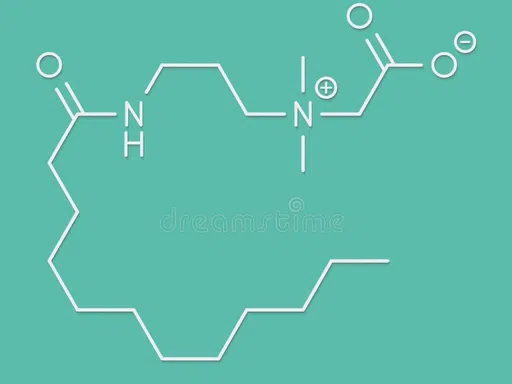
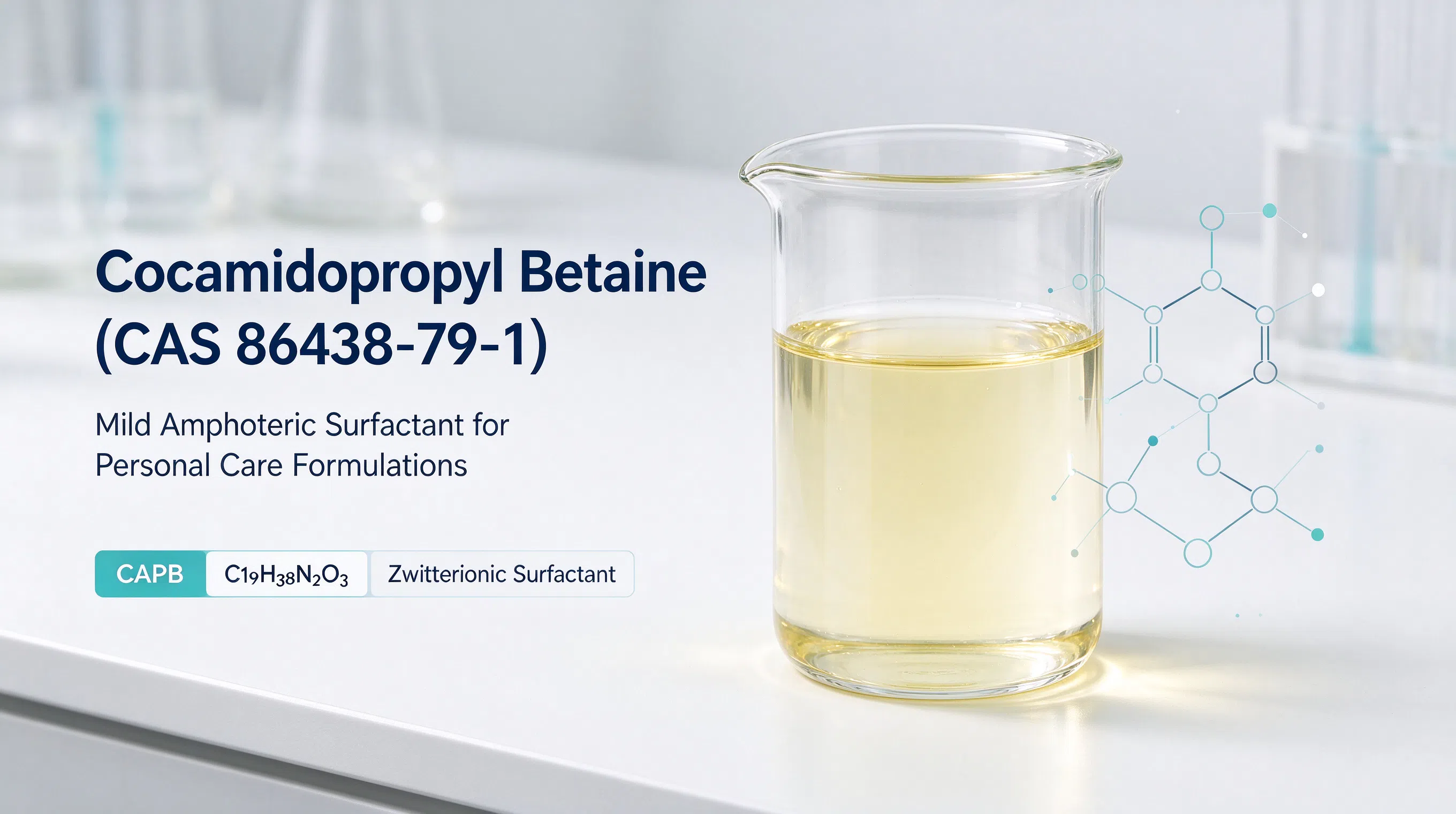
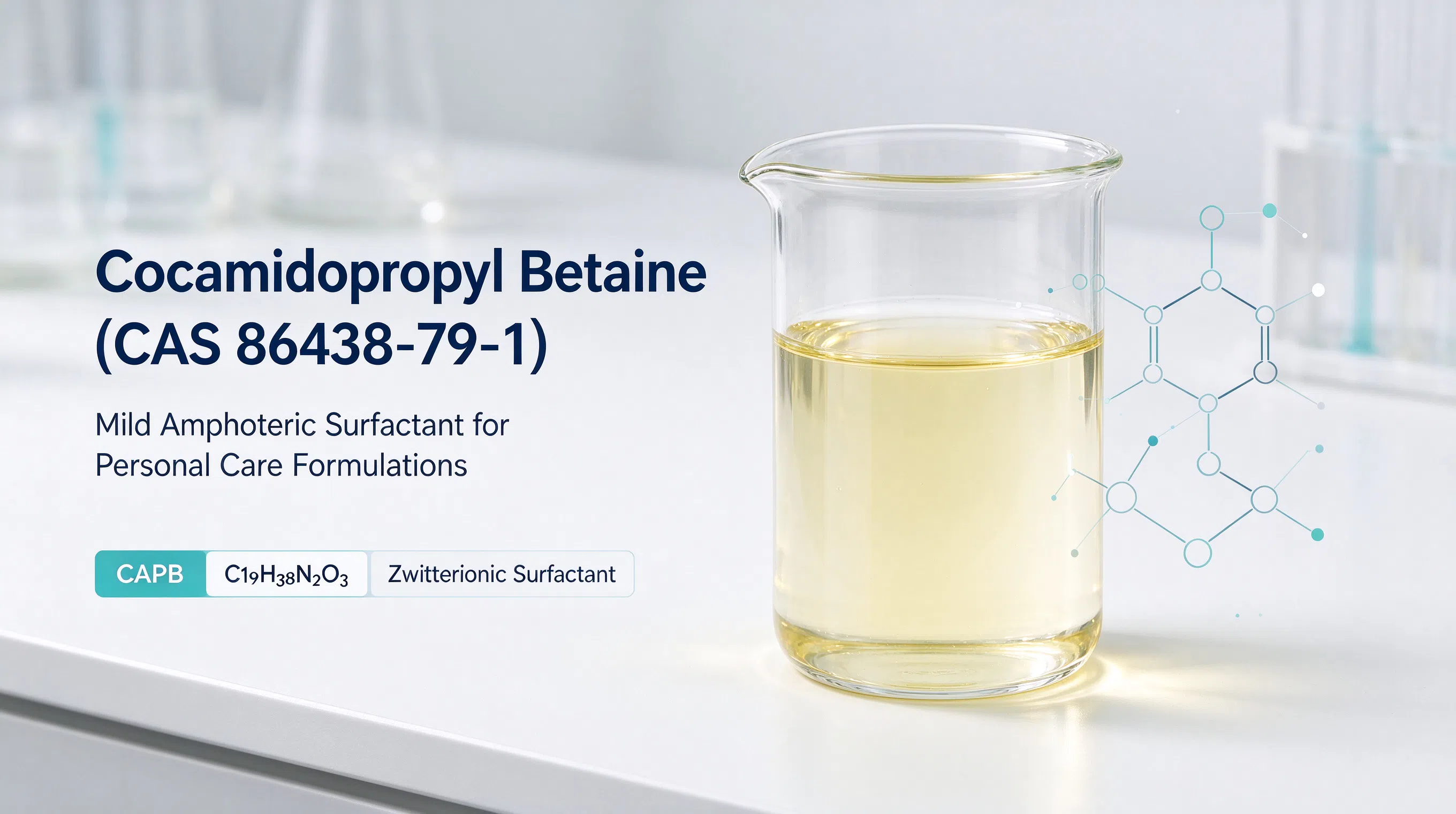
Cocamidopropyl Betaine, commonly abbreviated as CAPB, is a zwitterionic amphoteric surfactant with the molecular formula C₁₉H₃₈N₂O₃ and a molecular weight of 342.52. Its structure consists of a quaternary ammonium cation and a carboxylate anion, giving it the unique ability to behave as either a cationic or anionic surfactant depending on the pH of the formulation.
Despite its name, CAPB is not synthesized from betaine. It is produced through a two-step manufacturing process: first, dimethylaminopropylamine (DMAPA) reacts with coconut or palm kernel fatty acids (primarily lauric acid) at 150–175°C to form cocoamidopropyldimethylamine; in the second step, this intermediate reacts with sodium monochloroacetate to yield the final betaine product and sodium chloride.
Technical Specifications (Standard Grade)
| Parameter | Specification |
|---|---|
| Appearance | Yellowish clear liquid |
| Solid Content (wt %) | 34.0–36.0 |
| Active Matter (wt %) | 29.0–31.0 |
| Free Amine (mgKOH/g) | ≤ 0.5 |
| Sodium Chloride (wt %) | ≤ 6.0 |
| pH (1% aqueous solution) | 5.0–7.0 |
Source: Manufacturer technical data sheets
Why CAPB Outperforms Conventional Surfactants
Compatibility with Anionic Systems
CAPB’s principal value in formulation lies in its synergistic behavior with anionic surfactants such as sodium lauryl ether sulfate (SLES). When combined, CAPB stabilizes foam volume, improves viscosity response to salt thickening, and significantly reduces the irritation potential of the primary anionic surfactant. This is why virtually all modern mild shampoo and body wash formulations use SLES/CAPB blends rather than SLES alone.
Environmental Resilience
A systematic comparative study evaluated SLES, CAPB, and decyl glucoside under varying water hardness and pH conditions. The findings demonstrated that SLES showed pronounced sensitivity to hard water, with surface tension increasing from 32.5 to 36.8 mN/m and CMC rising from 0.25 to 0.45 mM, resulting in precipitation and reduced viscosity. CAPB exhibited moderate environmental resilience (CMC 0.15–0.24 mM) due to its zwitterionic nature, maintaining formulation integrity under ionic stress conditions.
Moisturizing and Conditioning Properties
In acidic environments, CAPB exhibits cationic conditioning properties, leaving a moisturized feel on skin and hair without stripping natural oils. This dual functionality—cleansing and conditioning in a single molecule—makes it particularly valuable for 2-in-1 shampoo systems, facial cleansing gels, and sensitive-skin formulations where multiple surfactant actives would otherwise be required.
Critical Considerations for B2B Procurement
Impurity Control: The DMAPA Issue
The most significant quality concern for CAPB buyers is residual DMAPA (dimethylaminopropylamine), an unreacted intermediate from the manufacturing process. DMAPA residue can generate nitrosamine compounds under certain conditions—potential carcinogens that trigger regulatory action under EU Cosmetics Regulation EC 1223/2009. Low-grade CAPB with higher impurity levels continues to drive allergic reactions that damage the ingredient’s market reputation.
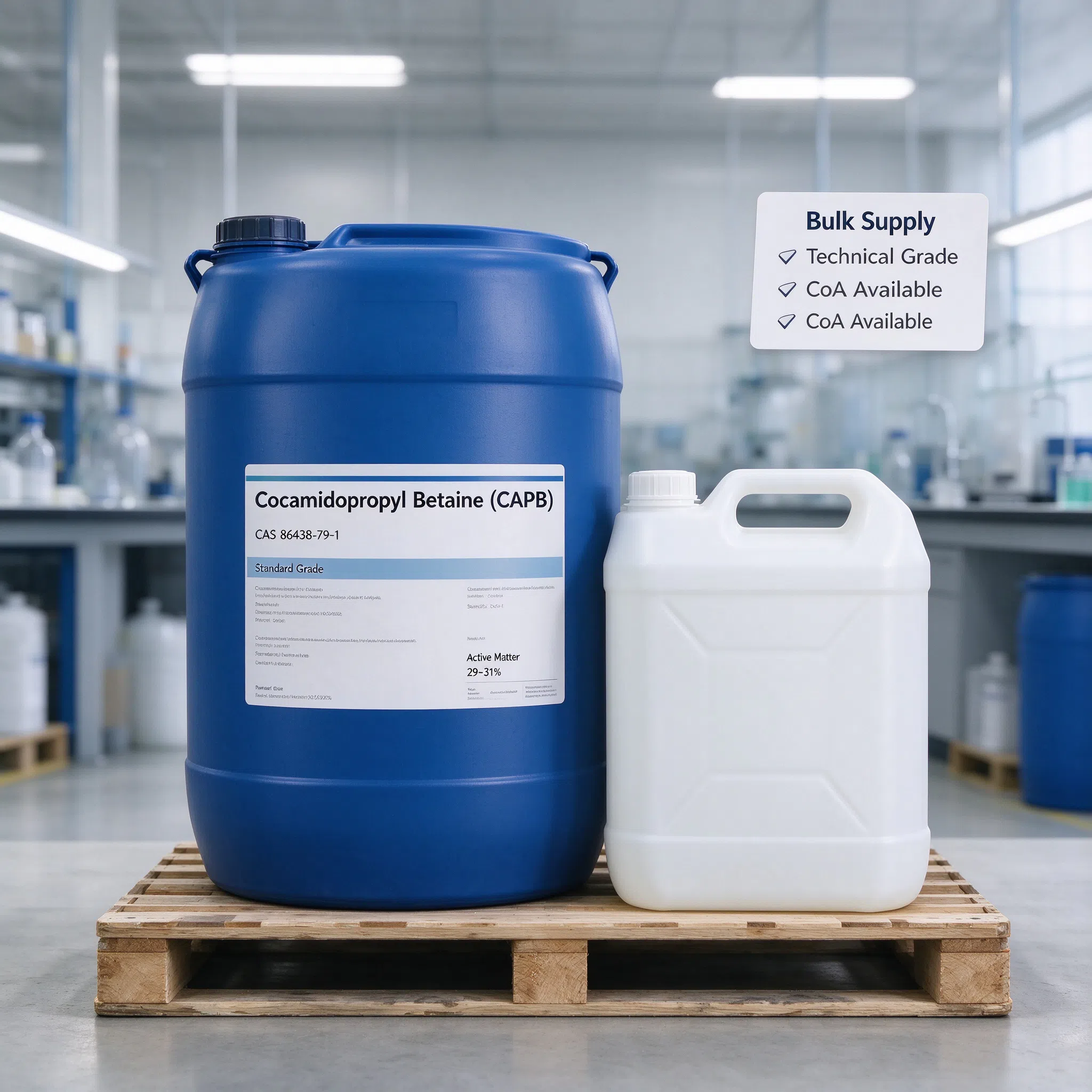
Procurement recommendation: Specify a maximum free amine limit of 0.5 mgKOH/g or lower and request batch-specific Certificates of Analysis (CoA) with DMAPA testing data.
Raw Material Traceability
Strategic sourcing decisions increasingly depend on raw-material traceability, impurity control, and regulatory readiness. Buyers serving European or North American markets should verify that suppliers can provide documentation on:
Coconut/palm kernel oil origin
Fatty acid feedstock composition (lauric acid content)
Manufacturing process parameters
Compliance with ISO 13209-1:2015 specifications
Supply Chain Reliability
Not every CAPB supplier is worth the evaluation time. Common issues reported by B2B buyers include inconsistent grade quality across shipments, impractical minimum order quantities for mid-size manufacturers, and communication breakdowns after initial orders. For manufacturers formulating branded consumer products, these inconsistencies translate directly into batch failures and costly rework.
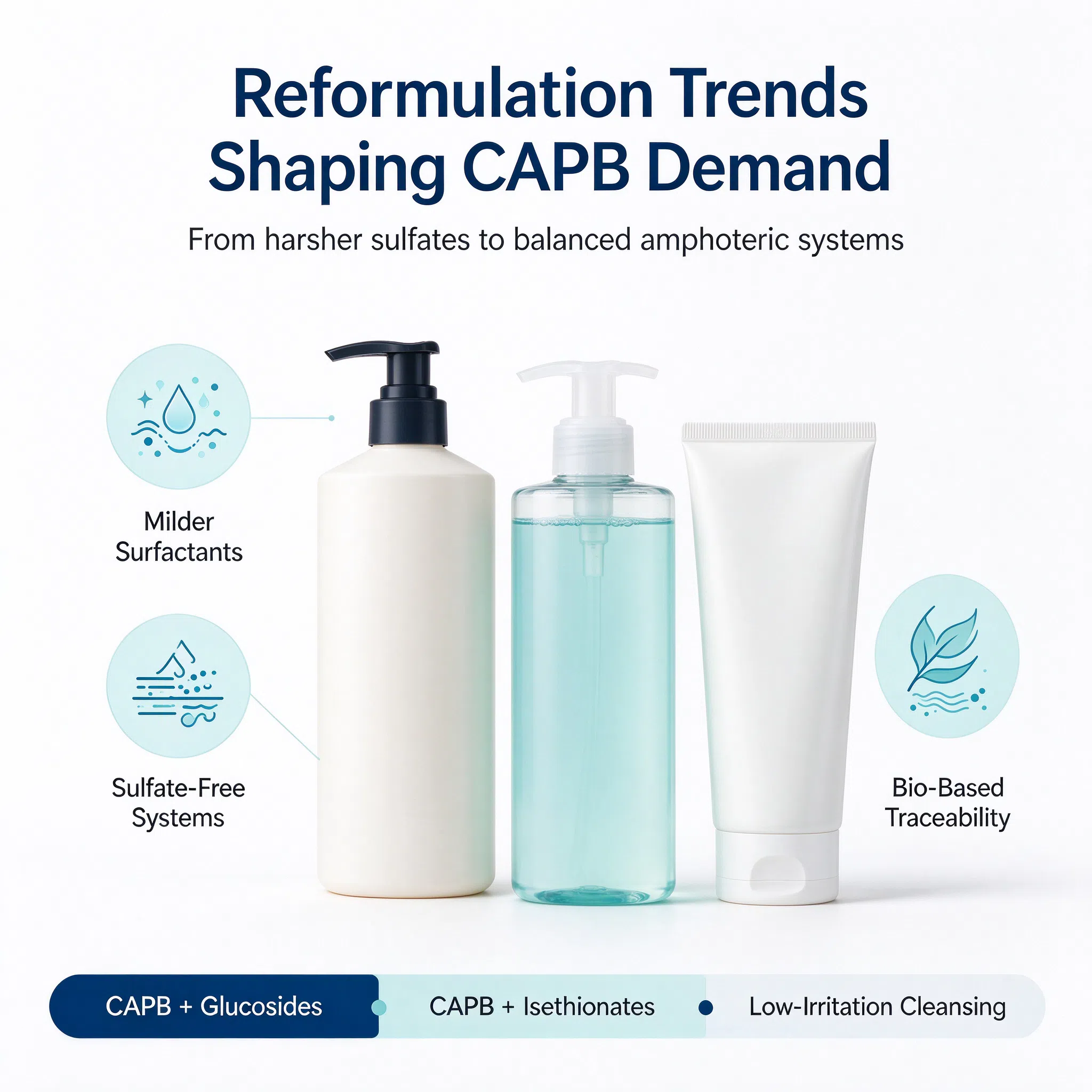
Reformulation Trends Shaping CAPB Demand
The CAPB market is being reshaped by an interconnected set of transformative shifts extending across raw material sourcing, regulatory scrutiny, and evolving end-user expectations. Three trends are particularly relevant for B2B buyers:
1. Sulfate-free and mild surfactant migration. Major brands are actively reformulating products to replace harsher surfactants, with CAPB as a core secondary surfactant in these systems. Even in sulfate-free formulations, CAPB pairs effectively with glucosides and isethionates to deliver acceptable foam and viscosity.
2. Bio-based certification and carbon footprint labeling. Bio-based certification and carbon footprint labels are becoming key procurement indicators for high-end brands. Suppliers investing in sustainable sourcing documentation will have a competitive advantage in European and North American markets.
3. Digital supply chain collaboration. The convergence of sustainability mandates, process innovation, and regulatory evolution is transforming sourcing, quality controls, and formulation strategies, with digital collaboration tools redefining supplier-formulator relationships.
Frequently Asked Questions (FAQ)
Q1: Is Cocamidopropyl Betaine safe for sensitive skin formulations?
CAPB is widely recognized as one of the mildest co-surfactants available for personal care applications. The Cosmetic Ingredient Review (CIR) has established a safe use level of up to 11% in rinse-off products, and it is approved for use in China’s cosmetics ingredient catalog (Index No. 07555). Allergic reactions associated with CAPB are primarily attributed to manufacturing impurities (particularly DMAPA) rather than the molecule itself. Specifying high-purity grades with low free amine content eliminates this risk for most formulators.
Q2: What is the difference between CAPB and Coco Betaine?
Both are amphoteric surfactants derived from coconut oil, but they differ in molecular structure. CAPB contains an amide linkage (cocamidopropyl), while Coco Betaine lacks this amide group. CAPB generally offers better foam stability and milder skin compatibility in anionic-surfactant blends. Coco Betaine may exhibit slightly higher irritation potential due to impurities introduced during synthesis.
Q3: Can CAPB be used in sulfate-free formulations?
Yes. CAPB’s zwitterionic nature allows it to function as a primary or co-surfactant in sulfate-free systems. When paired with alkyl polyglucosides (APGs) or sodium cocoyl isethionate, CAPB contributes foam density, viscosity build, and after-feel improvement without the need for ethoxylated sulfates.
Q4: What documentation should I request from CAPB suppliers?
For B2B procurement, request the following documentation package:
Certificate of Analysis (CoA) per batch, including free amine, solid content, active matter, NaCl, and pH
Material Safety Data Sheet (MSDS)
ISO 13209-1:2015 compliance statement
DMAPA residue testing results
Country of origin and raw material traceability declaration
For EU-bound shipments: REACH registration confirmation
Take the Next Step in Sourcing High-Purity CAPB
Whether you are reformulating an existing product line or launching a new mild cleansing system, the quality of your CAPB raw material directly determines your formulation’s performance, stability, and regulatory compliance.
Request a technical data package and quotation today. Our team can provide:
Batch-specific CoA with full impurity profiling
Formulation guidance for sulfate-free and low-irritation systems
Sample quantities for laboratory evaluation
Flexible order volumes suitable for pilot through commercial-scale production
Contact our sales team to discuss your specific formulation requirements and receive a tailored CAPB specification sheet.


